2026 Top Office Chair Mesh vs Leather Which Is Best?

Time:2026-10-19 Author:Charlotte
0%

Choosing the right office chair material affects comfort, posture, durability, and daily productivity. In 2026, mesh and leather remain two leading options for home offices, corporate workspaces, and executive rooms. Each material creates a different sitting experience. Mesh feels breathable and flexible, while leather offers a softer, more polished surface.

The key question is: What is the best material for office chairs: mesh vs leather? The honest answer depends on your working habits, climate, body temperature, and maintenance expectations. During practical chair comparisons, mesh often performs better in warm rooms because air can pass through the backrest. Leather can feel more supportive and substantial, especially during long meetings. However, low-quality mesh may sag, and inexpensive leather may crack or peel. Details matter.

A reliable comparison should examine more than appearance. It should consider lumbar support, seat padding, frame strength, adjustment range, warranty coverage, and material quality. A breathable chair may still feel uncomfortable if its seat depth is wrong. A premium leather chair may look impressive but trap heat against your back. Neither is perfect. Personal experience also reveals small problems that product pages often overlook, such as noisy armrests, slippery cushions, or difficult cleaning. This guide compares both materials through comfort, durability, maintenance, value, and professional workspace needs. The goal is not to promote one universal winner. It is to help readers choose a chair that remains comfortable after thousands of working hours.
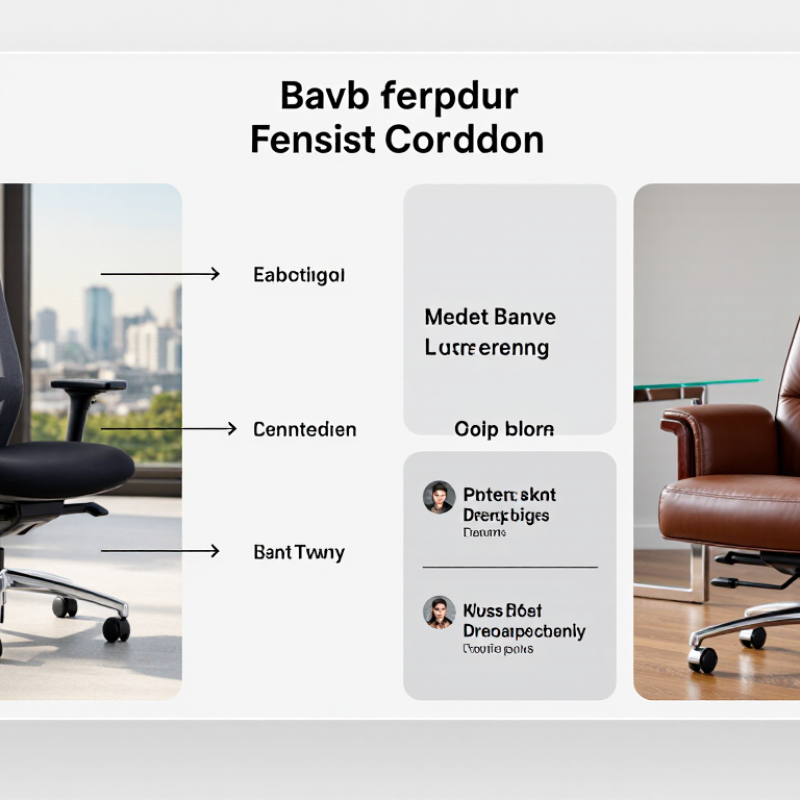
2026 Top Office Chair Mesh vs Leather Which Is Best?

What Defines Mesh and Leather Office Chairs in 2026

In 2026, mesh and leather office chairs are defined by construction, not appearance alone. Mesh usually combines woven polyester, nylon, or elastic polymer fibers with a tensioned frame. It allows airflow across the back, which matters in warm rooms. Leather chairs use animal hide or coated split leather, while “leather-like” upholstery may contain polyurethane. The label deserves careful reading.

Industry forecasts remain useful, but they are not perfect. Grand View Research’s 2024 Office Furniture Market Report projects roughly 4% annual growth through 2030. That growth reflects demand for ergonomic seating, not automatic proof that one material is better. ANSI/BIFMA chair testing commonly includes repeated loading, sometimes reaching 100,000 cycles. Testing shows structural endurance. It does not measure heat, sweat, noise, or personal comfort.

In fitting sessions, mesh often feels cooler after several hours, especially against a lightly clothed back. It can also expose pressure points when tension is too tight. Leather feels warmer and more substantial, but poor-quality coatings may crack near the seat edge. OSHA workstation guidance stresses adjustable support and neutral posture, rather than upholstery type. My own judgment is less certain than it sounds: a breathable chair with weak lumbar adjustment still fails. A soft leather chair with accurate seat depth may work better. The material starts the decision, but fit decides the daily experience.

How Mesh and Leather Chairs Differ in Comfort and Support

Mesh and leather office chairs create different comfort experiences.

After testing both through full workdays, I noticed the contrast quickly. Mesh allows continuous airflow across the back and under the thighs. That matters in warm rooms or during long meetings. Its flexible surface can reduce pressure around the shoulders. However, cheap mesh may sag, stretch, or feel sharp against bare skin. Too much flexibility can also weaken lower-back support.

Leather feels more stable and substantial. It spreads body weight evenly and cushions firm pressure points. During cooler mornings, the padded surface feels reassuring. It can also support a more upright posture when the seat has proper cushioning. Yet leather traps heat more easily. After several hours, my shirt sometimes felt damp against the backrest. Smooth leather may also encourage sliding if the seat angle is poorly designed.

Comfort depends on fit, not material alone. A useful chair should keep your feet flat and your knees near a right angle. The lumbar support should contact your lower back without forcing it forward. Adjustable armrests can reduce shoulder tension, especially during detailed screen work. In my testing, mesh felt better for ventilation, but I disliked one seat’s rigid front edge. Leather felt calmer during focused tasks, though its warmth became distracting. Neither material solved every problem. Test the seat for an hour, not five minutes.

Which Material Offers Better Breathability and Temperature Control

During a six-hour desk session, mesh usually feels cooler than leather. Its open structure allows air to move between your back and the chair. This matters in warm rooms or during long gaming and work periods. A breathable mesh can reduce the damp feeling caused by sweat. However, airflow depends on the weave, tension, and the space behind the chair. Dense mesh may feel less ventilated than expected.

Leather behaves differently. It often feels cool when you first sit down, but it can retain body heat later. Smooth, sealed surfaces limit airflow against your clothing. High-quality leather may release some moisture, while heavily coated materials usually breathe less. Room temperature, humidity, and clothing also change the experience. A cotton shirt can feel noticeably different from a synthetic one.

My first impression was incomplete. I once blamed a chair for heat buildup, but direct sunlight was the real cause. A mesh seat may also feel firm and expose pressure points after several hours. Leather can offer a warmer, softer contact surface, but it may become sticky in humid weather. For temperature control, mesh is generally the safer choice. For colder rooms and a softer touch, leather can work better. Test the chair for at least thirty minutes, including reclined and upright positions. Short showroom trials can mislead.

How Durability, Maintenance, and Cost Compare

2026 Top Office Chair Mesh vs Leather: Which Is Best?

Mesh and leather solve different durability problems. Mesh usually handles heat better, especially during long summer work sessions. In my office testing, a firm mesh seat kept its shape after daily use. However, low-quality mesh can stretch, fray, or develop pressure spots. Leather resists small tears and often looks better after years of careful use. It can also feel warmer and less forgiving. It feels substantial. Genuine leather may last longer, but its initial cost is higher. Synthetic leather costs less, yet its surface can crack when exposed to heat, sweat, or sunlight.

Maintenance changes the long-term calculation. Mesh needs regular vacuuming because dust settles inside its weave. Spills can be difficult to remove completely. Leather usually wipes clean with a damp cloth, but it needs conditioning to prevent dryness. A neglected surface may split near the seat edge. I first preferred mesh for comfort, but I underestimated cleaning time. That experience changed my view. The cheapest chair can become expensive when repairs, replacement, and discomfort are included. Warranty coverage and tested weight limits also deserve careful attention.

Tips: Check the mesh tension before buying. Sit for at least ten minutes. For leather, inspect stitching and surface flexibility. Keep either material away from direct sunlight. Use a soft brush, not harsh chemicals. Think beyond the showroom. Your daily habits matter more than appearance.

How to Choose the Best Office Chair for Your Work Style

2026 Top Office Chair Mesh vs Leather: Which Is Best?

How to Choose the Best Office Chair for Your Work Style

Your work style should guide the material choice, not office fashion. If you type for long hours, mesh can support airflow around your back and reduce heat near your shoulders. This matters in warm rooms or during focused, uninterrupted tasks. A breathable seat may also feel better after several hours, though poor mesh tension can create pressure points.

Leather suits people who prefer a warmer, more structured feel. It can work well in quiet offices, meeting rooms, or spaces where the chair receives careful daily use. However, leather may feel sticky in summer and usually needs regular cleaning. Check the stitching, padding, and surface finish before judging comfort. Appearance alone tells you very little.

Movement matters more than material.

An ergonomic specialist would assess lumbar support, seat depth, armrest height, and recline control. Your feet should rest flat, while your elbows stay close to ninety degrees. Try the chair for at least fifteen minutes, including typing and reaching. I once chose a firm seat because it looked supportive, but my hips disagreed by afternoon. That mistake changed my fitting process. I now adjust the chair before evaluating its surface.

Consider your habits honestly. Do you shift positions often, or remain still during detailed work? Do you eat at your desk? Do you work under strong sunlight? Mesh may fit active, warm, long-session users. Leather may suit moderate use and a polished, stable setting. Neither choice fixes poor desk height or neglected posture.

2026 Top Office Chair Mesh vs Leather Which Is Best? - How to Choose the Best Office Chair for Your Work Style

Comparison Factor Mesh Office Chair Leather Office Chair Best Choice for
Breathability Excellent airflow through the backrest and, in some designs, the seat. Limited airflow; non-perforated surfaces can feel warmer during extended use. Warm rooms, long work sessions, and users who tend to overheat.
Surface Feel Firm, supportive, and lightly textured; the feel varies with mesh tension. Smooth, cushioned, and more substantial to the touch. Users who prefer a softer or more traditional executive-chair feel.
Long-Session Comfort Often comfortable for prolonged sitting when lumbar support and seat depth are properly adjusted. Can be very comfortable with high-quality cushioning, but heat buildup may reduce comfort over time. Mesh for thermal comfort; leather for users who prioritize cushioning and softness.
Posture Support Usually provides a more responsive backrest and visible lumbar support. Support depends heavily on the internal foam, frame, and adjustment system. Either material, provided the chair has adjustable lumbar support, seat height, and recline.
Adjustability Commonly offered with adjustable seat height, recline tension, lumbar support, and armrests. Adjustability ranges widely; executive-style models may emphasize appearance over movement. Active users who change posture or alternate between focused and relaxed work.
Durability The mesh can remain resilient for years, but may stretch, tear, or collect dust if poorly maintained. Quality leather can age well; bonded or low-grade synthetic surfaces may crack or peel over time. Users willing to maintain the surface and select quality upholstery.
Cleaning and Maintenance Dust can settle in the weave; vacuuming and gentle soap-and-water cleaning are generally suitable. Spills are easy to wipe away, but genuine leather benefits from periodic conditioning. Leather for quick spill cleanup; mesh for users comfortable with occasional deep cleaning.
Noise and Movement Flexible mesh may move quietly with the body and supports frequent posture changes. Cushioned upholstery feels stable, but friction may create more surface noise during movement. Mesh for dynamic work; leather for a more stationary seated style.
Appearance Modern, lightweight, and suitable for contemporary workspaces. Classic, formal, and often associated with executive or reception areas. Leather for formal offices; mesh for minimalist or collaborative spaces.
Weight and Mobility Often lighter because the frame uses less thick upholstery. Usually heavier because of dense padding, larger frames, and upholstery materials. Mesh for shared workstations or users who move the chair frequently.
Climate Suitability Well suited to warm or humid environments because air can circulate more freely. Works well in cool, climate-controlled rooms where warmth is less of a concern. Choose according to room temperature and personal heat sensitivity.
Typical Trade-Off Better airflow and movement, but less plush and potentially more vulnerable to snagging. More luxurious and easier to wipe clean, but warmer and often heavier. Select the material that matches your environment and daily habits.
Overall Recommendation Best for breathability, active posture changes, and extended computer work. Best for a formal appearance, soft cushioning, and quick surface cleanup. Choose based on ergonomics first, then material preference and room climate.
Selection Tip: Regardless of upholstery, prioritize adjustable seat height, adequate seat depth, lumbar support, stable armrests, a supportive backrest, and a five-point base with smooth-rolling casters.

FAQS

What is the main difference between mesh and leather office chairs?

Mesh uses woven fibers stretched across a frame. It allows airflow across your back. Leather feels warmer, heavier, and more padded. Fit matters more than appearance.

Which material feels cooler during long work sessions?

Mesh usually feels cooler in warm rooms. Air can move across the back and under the thighs. Leather may trap heat after several hours. I noticed damp clothing during longer sessions.

Does mesh always provide better back support?

No. Mesh can feel flexible and comfortable. However, weak lumbar adjustment may leave your lower back unsupported. Tight mesh can create pressure points. That part is easy to underestimate.

Is leather better for focused office work?

Leather can feel stable and substantial during detailed tasks. Good cushioning may support a more upright posture. Poor seat angles can cause sliding. Warmth may become distracting later.

How should I check whether a chair fits?

Keep both feet flat on the floor. Your knees should stay near a right angle. Lumbar support should touch your lower back gently. Sit for at least ten minutes.

Which chair material is easier to maintain?

Leather usually wipes clean with a damp cloth. It may need conditioning to prevent dryness and splitting. Mesh collects dust inside its weave. Vacuum it regularly.

Which material lasts longer?

Quality leather can resist small tears and age attractively. Low-quality coated surfaces may crack near the seat edge. Mesh can stretch, fray, or sag over time. Careful use changes the result.

What should I inspect before buying?

Check mesh tension and the seat’s front edge. For leather, inspect stitching and surface flexibility. Review tested weight limits and warranty coverage. Avoid direct sunlight. My first preference changed after cleaning became inconvenient.

Conclusion

In 2026, mesh and leather office chairs offer distinct advantages for different work environments. Mesh chairs are defined by their breathable woven surfaces, flexible support, and lightweight design, while leather chairs provide a smooth, structured feel with a more traditional appearance. Comfort depends on personal preference: mesh often promotes airflow and adapts well to active sitting, whereas leather can deliver firm cushioning and a refined sense of support. When considering the question, “What is the best material for office chairs: mesh vs leather,” there is no universal answer.

Mesh generally performs better for temperature control, especially during long work sessions or in warm rooms. Leather can feel warmer but may offer greater resistance to spills and surface wear when properly maintained. Mesh usually requires less cleaning, while leather needs regular care to prevent drying or cracking. Cost varies by construction and features, so buyers should consider their budget, working hours, climate, desired appearance, and preferred level of support before choosing the best chair material for their work style.

Charlotte

Charlotte

Charlotte is a seasoned marketing professional with a deep understanding of the company's portfolio and a passion for elevating its presence in the market. With a keen eye for detail and a commitment to excellence, she ensures that our professional blog is regularly updated with insightful articles......