WorkX Chair
A dull ache behind the knee, tingling in the calf, or heaviness when you stand can make an ordinary workday uncomfortable. “Why do my legs hurt after sitting in my office chair” is a useful question, but one symptom rarely points to one cause. A fixed posture may keep your hips and knees bent, put pressure on tissues, or reduce the calf muscles’ normal pumping action. The chair may contribute. It may not be the whole story.
The World Health Organization’s 2024 global report estimated that 31% of adults—about 1.8 billion people—were not meeting recommended physical-activity levels in 2022. That figure describes activity, not office-chair leg pain, so it cannot diagnose your discomfort. It does show why movement breaks matter. Still, leg pain after sitting can also relate to posture, nerve irritation, circulation problems, muscle strain, or a medical condition. Small details matter: whether one leg hurts, whether swelling appears, and whether walking eases the ache. It is tempting to blame the chair alone; that explanation can be too simple. The guide below explores ten possible causes, practical clues, and signs that warrant professional medical advice. It is informative, not a substitute for an assessment.
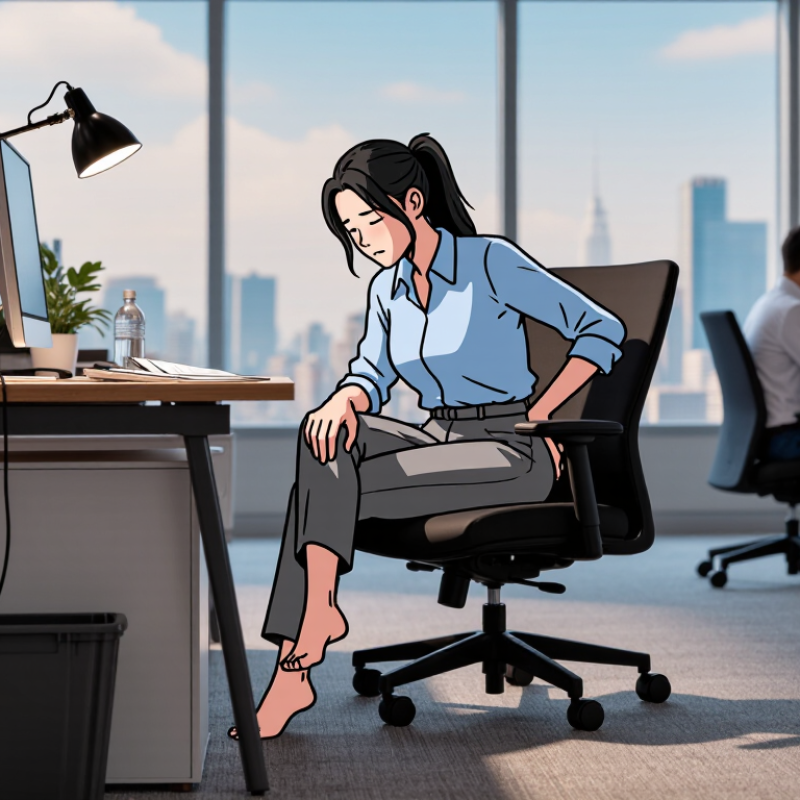
Prolonged sitting can make leg pain more likely, especially when your knees stay bent and your feet barely move. The calf muscles help push blood back toward the heart; staying still for hours reduces that regular muscle activity. A seat edge pressing behind your thighs, dangling feet, or a slumped posture may also add pressure or strain. Symptoms can include aching, heaviness, or tingling. They do not identify one cause by themselves.
A 2019 JAMA analysis of U.S. survey data estimated that adults spent about 6.4 hours sitting each day in 2015–16. That figure describes sitting time, not proof that sitting alone causes leg pain. The World Health Organization’s 2020 guidelines advise limiting sedentary time and replacing it with movement where possible. Still, chair fit, health history, and activity levels differ. It is worth reflecting on whether symptoms ease after standing, or persist regardless of posture.
Tips: Keep both feet supported and avoid pressure from the seat edge. Stand or walk briefly every 30–60 minutes, if practical, and try gentle ankle pumps at your desk. Small changes may help, but persistent pain, one-sided swelling, or sudden worsening needs medical assessment.
Prolonged sitting may contribute to discomfort through several different mechanisms. The chart groups the ten possibilities below by type.
What the chart shows: The bars count how many of the ten listed possibilities fall into each group. They do not show how common, likely, or severe any cause is.
Potential causes: muscle fatigue from a fixed posture; pressure on nerves behind the thigh; reduced calf-muscle pumping and temporary venous pooling; lumbar nerve-root irritation; deep-gluteal or sciatic nerve irritation; hip-flexor tightness; hamstring stiffness; knee discomfort from prolonged flexion; symptoms related to existing varicose veins or venous insufficiency; and increased blood-clot risk during prolonged immobility.
Stand, walk, and change position regularly. Seek urgent medical care for new one-sided leg swelling, warmth, or redness; sudden shortness of breath or chest pain requires emergency care.
Leg pain after sitting can come from several different problems. Prolonged pressure from a chair edge may irritate nerves or soft tissues. Slouching can strain the lower back, while staying still may leave muscles stiff. Tight hamstrings and shortened hip flexors can make standing uncomfortable. Small details matter, such as a seat that presses behind the knees.
Other possible causes include sciatica, where an irritated nerve sends pain down the leg, and lumbar spinal stenosis, which can worsen nerve symptoms. Venous pooling may cause heaviness or mild swelling after long periods of sitting. Varicose veins can ache, especially later in the day. Knee or hip arthritis may feel worse after a joint has been still. Muscle cramps, sometimes linked with dehydration or exertion, are another possibility. Not every cause is obvious.
Notice where the pain starts, how long it lasts, and whether movement helps. Gentle walking and changing position may ease ordinary stiffness, but persistent or worsening pain deserves medical assessment. One-sided leg swelling with warmth, redness, or tenderness needs prompt care; sudden chest pain or breathlessness is an emergency. A chair may contribute, but it should not be assumed to explain every symptom.
The place where pain starts can offer useful clues, though it cannot confirm a diagnosis. Notice the pattern. A dull ache across both thighs after a long meeting may reflect muscle fatigue or pressure from staying still. Pain that begins in the lower back or buttock and travels down one leg, especially with tingling or burning, can suggest irritation of a nerve such as the sciatic nerve.
A sharp, localized ache behind the knee or in the calf may come from sustained pressure, muscle strain, or a posture that keeps the knee bent. Front-of-thigh discomfort can involve hip flexors or nerves near the hip. Pins and needles that ease after standing may occur when a nerve has been compressed. That matters. Track when symptoms begin, which side hurts, and whether movement changes them; these details help a clinician assess the cause.
Look for signs that do not fit ordinary stiffness. One calf that becomes swollen, warm, red, and tender needs prompt medical attention, especially if the change is sudden. Seek urgent care for leg pain with chest pain or shortness of breath. Persistent numbness, weakness, or pain that keeps returning also deserves professional evaluation. A chair may contribute, but it is not always the whole explanation.
Leg pain after sitting in an office chair may come from stiffness, pressure, or prolonged stillness. Mild discomfort often eases after standing and walking, but that pattern does not explain every case. Pay attention to changes. Is one leg suddenly more swollen than the other? Does the calf feel warm, look red, or hurt when touched? These signs need prompt medical assessment, especially after long travel, surgery, or a period of limited movement. A blood clot is one possible cause, not something you can confirm at home.
Some symptoms call for emergency care. Call emergency services if leg pain or swelling occurs with sudden shortness of breath, chest pain, fainting, or coughing blood. Do not wait. Seek urgent help for a foot that becomes cold, pale, or bluish, or for sudden severe weakness or numbness. Fever with a red, painful area also deserves prompt attention. Pain that keeps worsening, returns often, or makes walking difficult should be discussed with a clinician, even without dramatic symptoms. It is easy to blame the chair, and sometimes that guess is wrong. A clinician can review your symptoms and risk factors rather than relying on appearance alone.
Leg discomfort during office work often follows long, still periods rather than one “bad” posture. A JAMA analysis of U.S. adults’ activity data found an average of 7.7 sedentary hours daily (Matthews et al., 2012). Break the sitting cycle: the UK Health and Safety Executive recommends short, frequent breaks, giving five to ten minutes each hour as an example. Walk to refill your water, stand during a call, or do a brief lap around the office. Small changes count. A timer can help, though I still forget to set one.
Adjust the chair so your feet rest flat, or use a footrest; keep the seat edge from pressing behind your knees. Every so often, gently pump your ankles or rise for a few calf raises. The World Health Organization’s 2020 physical activity guidelines advise limiting sedentary time and replacing it with movement, even at light intensity. Comfort varies, so test one adjustment at a time rather than forcing a rigid posture. If pain persists, worsens, or comes with one-sided swelling, warmth, or redness, seek medical advice; sudden breathlessness needs urgent care. Do not push through.
| Possible cause | What you may notice | Why office sitting may contribute | Ways to relieve and help prevent it |
|---|---|---|---|
| 1. Staying in one position too long | A dull ache, stiffness, or heaviness that builds gradually and improves when you move. | Holding the same posture can make leg muscles feel stiff and reduce the normal movement that supports circulation. | Change position regularly. Stand, walk, or gently move your legs for a few minutes about every 30–60 minutes. |
| 2. Pressure from the front edge of the seat | Discomfort or tingling around the thighs, sometimes with pressure behind the knees. | A seat that is too deep or has a firm edge may press against the thighs or the area behind the knees. | Adjust the seat depth so there is a small gap between the seat edge and the backs of your knees. Avoid resting the legs against a hard edge. |
| 3. Chair height that leaves feet unsupported | Thigh pressure, leg fatigue, or discomfort that eases when the feet are supported. | If the chair is too high, feet may dangle, increasing pressure on the thighs and making the legs work to maintain position. | Adjust the chair so your feet rest flat on the floor. Use a stable footrest if needed, with knees around hip level or slightly lower. |
| 4. Awkward posture or crossed legs | Temporary numbness, pins and needles, or soreness that improves after changing position. | Crossing the legs or sitting unevenly can place pressure on nerves and soft tissues and may strain the hips or knees. | Sit with both feet supported and avoid holding one position for long periods. Shift posture comfortably throughout the day. |
| 5. Tight or fatigued hip and leg muscles | Tightness or aching in the hips, hamstrings, or calves, especially when standing after a long work period. | Prolonged sitting keeps some muscles shortened and limits regular movement through the hips and knees. | Take brief walking breaks and try gentle, comfortable hip and calf stretches. Stop any stretch that causes sharp pain. |
| 6. Nerve irritation, including sciatica | Pain that may travel from the lower back or buttock down one leg, sometimes with tingling or numbness. | Sitting can aggravate symptoms in some people with an irritated nerve, particularly when the back or hips are held in an uncomfortable position. | Change position and take short movement breaks. Seek medical advice if symptoms persist, worsen, or include weakness. |
| 7. Calf or foot cramps | A sudden, tight, painful muscle spasm, often in the calf or foot. | Long periods without moving may contribute to stiffness. Cramps can also have other causes, including exertion, medicines, or health conditions. | Gently stretch the affected muscle and move regularly. Discuss frequent, severe, or unexplained cramps with a healthcare professional. |
| 8. Swelling related to dependent positioning or vein problems | Leg or ankle heaviness and mild swelling that may be more noticeable after sitting for a long time. | Keeping the legs down and still can allow fluid to collect in the lower legs, especially in people prone to venous problems. | Walk and move your ankles regularly. Elevate your legs when practical. Ask a clinician about recurring or persistent swelling. |
| 9. Peripheral nerve problems or other health conditions | Burning, tingling, numbness, or unusual sensitivity in the feet or legs that may not occur only after sitting. | Conditions such as diabetes or certain medicines can affect nerves; sitting may make an existing symptom more noticeable. | Arrange a medical assessment for new or ongoing symptoms, especially if they affect balance, walking, or sensation. |
| 10. Deep vein thrombosis (DVT) — uncommon but serious | Possible signs include new swelling, pain or tenderness, warmth, or discoloration in one leg. | DVT is not a usual explanation for ordinary leg aching after desk work, but prolonged immobility can be a risk factor, particularly alongside other risks. | Seek urgent medical care for symptoms suggestive of DVT. Do not massage a suddenly swollen, painful leg. Call emergency services for chest pain or shortness of breath. |
Important: This table is for general information and cannot diagnose the cause of leg pain. Seek prompt medical care for sudden or severe pain, one-sided swelling, new weakness, or symptoms that are worsening or persistent.
Chair pressure, stiff muscles, tight hips, or back strain may contribute. A seat edge pressing behind your knees can matter.
Yes. Long periods without movement may contribute to heaviness or mild swelling. Varicose veins can also ache later in the day.
It can. An irritated nerve, including one affected by sciatica or spinal narrowing, may send pain down the leg. A clinician can assess the cause.
Note where it starts, how long it lasts, and whether walking helps. Also notice swelling, warmth, redness, or changes in sensation.
Stand, change position, and take a gentle walk. Short movement breaks may help. They do not explain every kind of pain.
Seek prompt medical assessment if one leg suddenly swells and feels warm, red, or tender. A clot is one possibility, but appearance alone cannot confirm it.
Call emergency services for leg pain or swelling with sudden chest pain, breathlessness, fainting, or coughing blood. Do not wait.
Arrange an assessment if pain worsens, returns often, or makes walking difficult. Sudden severe weakness, numbness, or a cold, pale, bluish foot also needs urgent attention.
This article explains how prolonged sitting in an office chair can contribute to leg pain by keeping muscles and joints still, putting pressure on nerves or blood vessels, and encouraging poor posture. It explores ten possible causes, including muscle stiffness, reduced circulation, nerve compression, lower-back problems, and existing joint or vein conditions. The question “Why do my legs hurt after sitting in my office chair” may have different answers depending on where the pain occurs and whether it feels like aching, tingling, numbness, burning, or cramping. Noticing when symptoms begin and what makes them better or worse can help narrow down potential causes.
The article also describes warning signs that call for medical attention, such as severe or sudden pain, significant swelling, weakness, or symptoms that persist or worsen. Practical steps may include taking regular movement breaks, adjusting chair and desk posture, gently stretching, and changing sitting habits. These measures can reduce discomfort, but ongoing or concerning symptoms should be assessed by a healthcare professional.
