In the workplace, choosing the right chair is vital. For many, the question arises: "What is the difference between an executive chair and a task chair?" According to John Smith, a renowned ergonomics specialist, "The chair you sit on can greatly influence your productivity and comfort."
Executive chairs are often associated with management and high-level offices. They tend to be larger, more luxurious, and feature additional padding. Their design emphasizes prestige and comfort for long duration sitting. Conversely, task chairs are usually smaller, more flexible, and designed for an active workspace.
Understanding the differences between these chairs can impact daily work life. For instance, executive chairs might make you feel powerful but could also lead to discomfort. Task chairs promote movement, yet may lack the coziness that some need. It's important to reflect on which style works best for your unique role and working conditions.
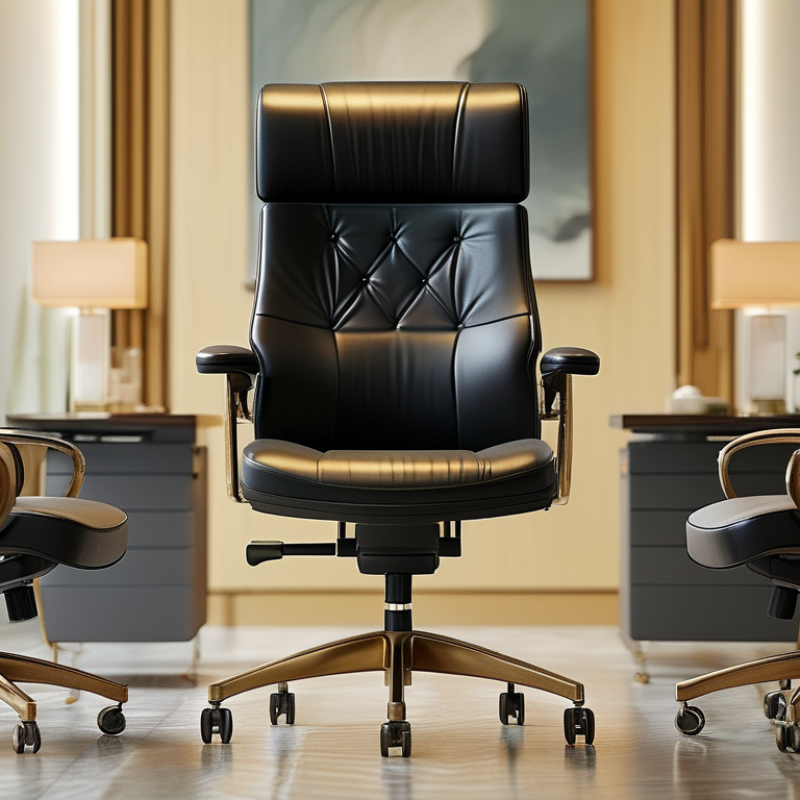
Differences in Design: Executive Chairs vs. Task Chairs
When comparing executive chairs and task chairs, design plays a crucial role. Executive chairs usually exude sophistication. They often feature high backs, luxurious materials, and ergonomic support. This design caters to professionals who spend long hours at their desks. According to ergonomics studies, supportive seating can reduce back pain and improve productivity by 25%.
In contrast, task chairs prioritize functionality and mobility. They tend to be lighter, more adjustable, and suitable for various workstations.
A significant difference lies in adjustability. Task chairs often have multiple adjustment options. Users can modify seat height, backrest angle, and armrest positions to achieve comfort. Reports show that customizable chairs reduce musculoskeletal issues among workers. However, the streamlined design of executive chairs often limits these adjustments. While they provide a regal appearance, they may not accommodate every individual’s preferences. This lack of flexibility can be a drawback for some users.
Moreover, the materials used in these chairs differ greatly. Executive chairs commonly use leather or high-grade fabrics. While this offers a luxurious feel, it may lead to increased maintenance. On the other hand, task chairs are often made with breathable mesh. This promotes airflow, keeping users cool during long hours. However, mesh can wear out more quickly, requiring replacements. Each design has its pros and cons, impacting comfort and user experience.
Purpose and Functionality of Executive Chairs Compared to Task Chairs
Executive chairs and task chairs serve distinct purposes in the workplace.
Executive chairs often represent prestige. They are designed for comfort during long meetings and provide a formal look.
Task chairs, in contrast, prioritize functionality for daily tasks.
These chairs are more versatile and ideal for various work settings. A study shows that 60% of office workers prefer task chairs for their adjustable features and mobility.
The ergonomic design in task chairs is backed by research. According to the American Chiropractic Association, proper seating can prevent musculoskeletal issues.
Task chairs promote movement, encouraging a healthier work environment. Executive chairs tend to be bulkier, potentially limiting mobility.
A survey found that 70% of employees value flexibility in their seating choices.
This highlights a shift in workplace needs, where adaptability becomes crucial for productivity.
While executive chairs symbolize authority, they may lack the ergonomic benefits of task chairs.
The focus on aesthetics can overshadow the importance of comfort. Employees often find themselves restless in a rigid executive chair.
As the landscape of work evolves, understanding these differences will help enhance employee satisfaction and performance.
Material and Build Quality: A Comparative Overview
When comparing executive chairs and task chairs, the material and build quality play crucial roles. Executive chairs often use premium materials like leather or high-grade fabric, ensuring durability. According to the American Society of Furniture Designers, quality materials can enhance a chair's lifespan by 30%. This longevity is important for maintaining a professional environment.
Task chairs, on the other hand, typically feature synthetic fabrics and lighter construction. While they are functional, their materials may not withstand heavy use as effectively as executive chairs. A report by the International Interior Design Association states that task chairs account for about 60% of office chair sales, yet their build quality can sometimes feel insubstantial for prolonged use. Many users find themselves replacing task chairs every few years, leading to increased waste.
The ergonomics of both types also differ based on materials. Executive chairs are designed to support longer hours of sitting, with features like memory foam padding. Conversely, some task chairs prioritize mobility and may sacrifice comfort. A study from the Human Factors and Ergonomics Society found that over 50% of office workers experience discomfort, highlighting the need for better material choices in task seating. This disparity illustrates the ongoing conversation about quality versus functionality in office environments.
Adjustability Features: Customization in Executive and Task Chairs
When it comes to office chairs, adjustability is crucial. Executive chairs typically feature a wider range of customization options. These chairs often have adjustable seat height, lumbar support, armrests, and even reclining capabilities. This variety helps executives maintain comfort during long hours of work. Task chairs, on the other hand, focus on mobility and functionality. They generally offer fewer adjustments, catering instead to quick transitions and active work environments.
The comfort of a chair can make or break productivity. While executive chairs prioritize ergonomic designs, task chairs emphasize versatility. However, not all task chairs provide adequate support. This lack can lead to discomfort over time. It’s important to consider how each chair's adjustability aligns with your work style and tasks. Experimenting with different settings can improve your sitting experience significantly. Personalization in seating isn’t just a luxury; it’s an essential part of workplace performance.
Top 10 Differences Between Executive Chairs and Task Chairs - Adjustability Features
| Feature |
Executive Chairs |
Task Chairs |
| Height Adjustment |
Yes, often with a gas lift mechanism |
Yes, typically includes a gas lift |
| Backrest Angle Adjustment |
Yes, customizable to different angles |
Limited, often more fixed position |
| Armrest Adjustment |
Fully adjustable armrests |
Sometimes adjustable, but often fixed |
| Lumbar Support |
Integrated adjustable lumbar support |
Basic lumbar support, often not adjustable |
| Seat Depth Adjustment |
Available in many models |
Rarely available |
| Material Options |
High-quality leather or fabric |
Variety of fabrics, often less premium |
| Wheel Quality |
High-quality wheels for smooth movement |
Basic wheels, may not roll as smoothly |
| Sitting Duration |
Designed for long usage |
Typically for short to medium usage |
| Adjustable Headrest |
Often included in high-end models |
Rarely featured |
| Price Range |
Higher priced due to features |
More affordable |
Target User Groups: Ideal Settings for Executive vs. Task Chairs
When considering the ideal seating solutions in an office, it’s essential to understand the differences between
executive chairs and task chairs.
Executive chairs cater to professionals in leadership roles. These chairs come with
high backs and luxurious designs, aimed at providing comfort during long meetings. They suit boardrooms and
private offices, creating an authoritative vibe.
Task chairs, however, are versatile and practical.
Designed for mobility and functionality, they fit well in collaborative spaces or open offices. These chairs
typically have adjustable features to support different work styles and preferences. They’re ideal for
employees engaged in daily tasks, encouraging productivity and comfort.
Tips: When selecting a chair, consider your primary activities. If
you spend hours in meetings, an executive chair may be more suitable. For those who often shift tasks or
collaborate, a task chair’s flexibility is key.
Don’t overlook the importance of ergonomics. Many people find themselves in the wrong chair type.
A chair that lacks proper support can lead to discomfort and fatigue. Assess your work environment regularly
and adjust with purposeful choices.
FAQS
: Executive chairs are sophisticated with high backs, while task chairs focus on functionality and mobility.
Executive chairs support longer sitting hours, while task chairs often have adjustable features to enhance comfort.
Executive chairs usually employ premium materials like leather or high-grade fabric for durability.
Task chairs are often made with synthetic fabrics and lighter construction, which may not last as long.
Adjustable features help users customize their seating, reducing discomfort and musculoskeletal issues.
No, executive chairs tend to have limited adjustments, which can be a drawback for some users.
Executive chairs may require more maintenance due to luxurious materials, while task chairs typically need replacements more often.
Yes, approximately 60% of office chair sales are task chairs, yet their build quality often feels insubstantial.
Over 50% of office workers report discomfort, indicating a need for better material choices in task chairs.
While elegant, executive chairs may not fit every individual's comfort preferences due to their design limitations.
Conclusion
When exploring the question of "What is the difference between an executive chair and a task chair," several key aspects come into play. Executive chairs are designed with a focus on aesthetics and comfort, often featuring premium materials and a more formal design suited for high-ranking positions. In contrast, task chairs prioritize functionality and ergonomic support for various work tasks, making them ideal for longer hours in flexible environments.
Moreover, the adjustability features in task chairs often cater to a wider range of body types and user preferences, enhancing productivity in collaborative settings. While executive chairs are typically found in private offices where a polished appearance is essential, task chairs are ubiquitous in open-plan offices and shared spaces. Understanding these differences helps in choosing the right chair according to specific needs and work environments.
 WorkX Chair
