WorkX Chair
In today’s fast-paced work environment, the importance of comfort cannot be overlooked. Employees spend long hours at their desks. This can lead to fatigue and decreased productivity. It raises the question, "Why are ergonomic chairs important for employee productivity?" Research shows that proper seating can significantly enhance work performance. Ergonomic chairs promote better posture, reducing strain on the body.
Many companies still overlook this aspect. Employees in uncomfortable chairs may struggle to focus. This can result in errors and reduced output. A well-designed ergonomic chair supports the spine and encourages movement. It helps reduce back pain and increases overall well-being. When workers feel comfortable, they are more engaged.
Ultimately, investing in ergonomic chairs is a reflection of a company’s commitment to its employees. However, some organizations hesitate due to costs. The reality is that discomfort can lead to higher turnover and absenteeism. Companies must consider long-term gains over immediate expenses. The benefits of an ergonomic office environment are undeniable. Creating a supportive workplace nurtures productivity and morale.
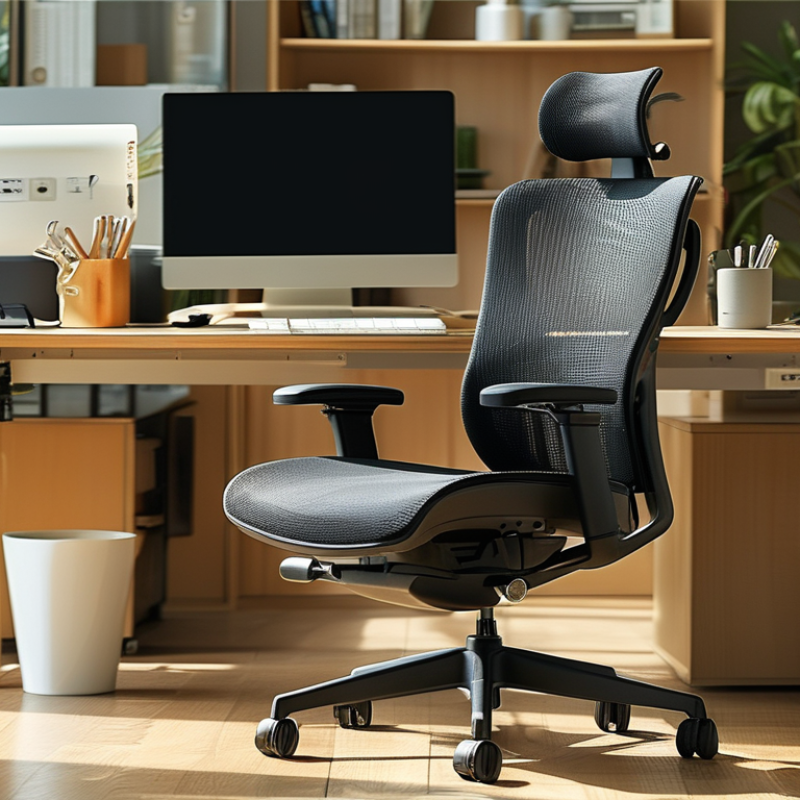
Ergonomics plays a vital role in workplace design. A well-designed workspace enhances comfort and boosts productivity. Employees often suffer from discomfort due to poor seating. This discomfort can lead to distractions and decreased focus. With proper ergonomic chairs, employees can maintain better posture. This simple adjustment can make a significant difference in their daily work.
Consider investing in chairs that support the natural curve of the spine. Proper lumbar support reduces strain. Employees are less likely to experience fatigue. High-quality ergonomic chairs can be adjustable to fit various body types. This ensures everyone can find their ideal position.
Here are some tips for optimizing your workspace:
1. Adjust the chair height so feet are flat on the floor.
2. Use a chair with adjustable armrests for better support.
3. Take breaks to stand or stretch every hour.
Not every office space allows for ergonomic seating. It's essential to recognize these limitations. Assess the current setup and determine what changes are possible. Encouraging a culture of movement can help, even if chairs aren't perfect. A few minor adjustments can greatly enhance employee well-being and overall productivity.
This chart illustrates the increase in employee productivity before and after the introduction of ergonomic chairs in the workplace, highlighting the essential role of ergonomics in optimizing workplace design.
Ergonomic chairs play a crucial role in enhancing comfort and well-being for employees.
According to the Occupational Safety and Health Administration (OSHA), proper seating can reduce musculoskeletal disorders by 65%. An ergonomic chair supports the natural curve of the spine, which helps minimize back pain. This change allows employees to focus better, leading to increased productivity.
A study by the Hughes Group revealed that companies investing in ergonomic solutions see a 25% boost in overall employee satisfaction. Comfortable seating encourages better posture and reduces fatigue. When employees feel comfortable, they typically work longer and more effectively. However, many workers still use outdated chairs that do not provide adequate support.
Tip: Take regular breaks to stand and stretch. This can reduce strain, even with an ergonomic chair. Use a chair that allows for adjustments, catering to individual body types.
Adopting ergonomic chairs is essential for nurturing a comfortable workspace. Industry experts recommend regular reassessment of seating as employee needs evolve. Remember that not all ergonomic chairs are the same; customization is key. Investing in ergonomic solutions is not just about aesthetics; it's about fostering a healthier, more productive workforce.
Ergonomic seating plays a crucial role in enhancing employee productivity. Research indicates that ergonomic chairs can reduce discomfort and improve focus. A study by the Occupational Safety and Health Administration found that proper seating can result in a 17% increase in productivity. When employees feel comfortable, they are less likely to be distracted by pain or fatigue.
Investing in ergonomic chairs can also lead to fewer health issues. According to the American Journal of Preventive Medicine, companies that implement ergonomic solutions reported a 30% drop in musculoskeletal disorders. This not only benefits employees but also lowers medical costs for employers. Ergonomic seating helps create an environment where employees can thrive.
Tips: Choose chairs with adjustable height and lumbar support. Implement regular breaks to prevent stiffness. Encourage employees to assess their seating for optimal comfort. These changes can make a significant difference in daily productivity. However, not all ergonomic chairs are equal; it's essential to research options that best fit the needs of your employees.
Poor seating can severely impact employee health and work performance. When workers sit on poorly designed chairs, discomfort and pain often arise. Frequent back pain, neck strain, and even poor circulation can develop. These issues lead to distractions and a decline in productivity. Employees may struggle to focus, often taking more breaks to stretch or move around. This loss of time can accumulate, affecting overall output.
An ergonomic chair addresses these concerns by promoting proper posture. These chairs support the spine and encourage a natural sitting position. With adjustable features, employees can tailor their chair to their needs. This reduces the risk of musculoskeletal disorders, a common issue in office work. When employees feel comfortable, they tend to work more efficiently and effectively.
Moreover, poor seating can also affect mental health. Discomfort can lead to increased stress and frustration. A supportive chair contributes to a positive work environment. Employees are more likely to feel valued and engaged. Investing in ergonomic seating is not just about comfort; it enhances overall workplace well-being and performance.
In modern offices, effective ergonomic chairs play a crucial role in promoting employee productivity. These chairs are designed to support the natural curvature of the spine. A well-structured backrest offers lumbar support, reducing discomfort during long working hours. Employees need comfort to concentrate. An adjustable seat height enhances posture and keeps feet flat on the ground.
The material of the chair is also important. Breathable fabrics can keep users cool and comfortable. Armrests add another level of support, but they should be adjustable to fit various body types. Employees appreciate chairs that can be tailored to their needs. Yet, some may overlook the importance of a chair’s mobility. Smooth-rolling wheels allow for easy movement, helping employees remain engaged and connected.
It is essential not to ignore other unique features. Some chairs include built-in massage functions or tilt mechanisms for added comfort. These features may appeal to some but may not be essential for all. Employees often have different preferences. Picking the right ergonomic chair requires reflection on individual needs and requirements. The aim is to create an environment that fosters productivity.
: Ergonomics enhances comfort and boosts productivity in the workplace.
Poor seating leads to discomfort, distractions, and decreased focus among employees.
Ergonomic chairs support good posture, reducing strain and fatigue during work.
Chairs should offer adjustable height and lumbar support to fit various body types.
Employees should stand or stretch every hour to prevent stiffness and improve comfort.
Assess the current setup and encourage a culture of movement with minor adjustments.
Proper seating can increase productivity by 17% and reduce distractions from discomfort.
Implementing ergonomic solutions can decrease musculoskeletal disorders and lower medical expenses.
Not all ergonomic chairs meet specific needs, so it’s vital to research options thoroughly.
Simple changes can greatly enhance well-being; do not underestimate minor adjustments.
Ergonomic chairs play a vital role in enhancing workplace productivity by addressing the fundamental aspects of ergonomics in office design. The primary focus of ergonomic seating is to improve comfort and well-being, which directly correlates with employee efficiency. When workers are seated in designs tailored to support their body structure, they experience less discomfort and fatigue, ultimately facilitating better focus and performance.
Moreover, the adverse effects of poor seating can lead to significant health issues, negatively impacting work output. Therefore, understanding "Why are ergonomic chairs important for employee productivity" is crucial for organizations aiming to foster a healthy work environment. Effective ergonomic chairs incorporate features such as adjustable settings, lumbar support, and breathable materials, which collectively enhance user experience and productivity, ensuring employees can perform at their best while minimizing health risks.
