WorkX Chair
In today's workplace, comfort and well-being have become essential. As more people spend hours sitting, the demand for ergonomic chairs has surged. But why are ergonomic chairs so expensive? The answer lies in their design, materials, and health benefits. These chairs are tailored for support, promoting better posture and reducing the risk of chronic pain.
Quality ergonomic chairs often use high-grade materials, which drive up production costs. Additionally, extensive research and testing contribute to their price. The science behind ergonomics is intricate. The goal is to align the body in a natural position, minimizing strain. Yet, many users question the necessity of these investments. Is the price justified?
While not everyone needs a premium chair, those with long work hours may find relief and potential increases in productivity. The health benefits can outweigh the initial cost. However, affordability remains a concern. It’s vital to consider your sitting habits and physical needs. Investing in a quality ergonomic chair may require reflection, but the long-term advantages are significant.
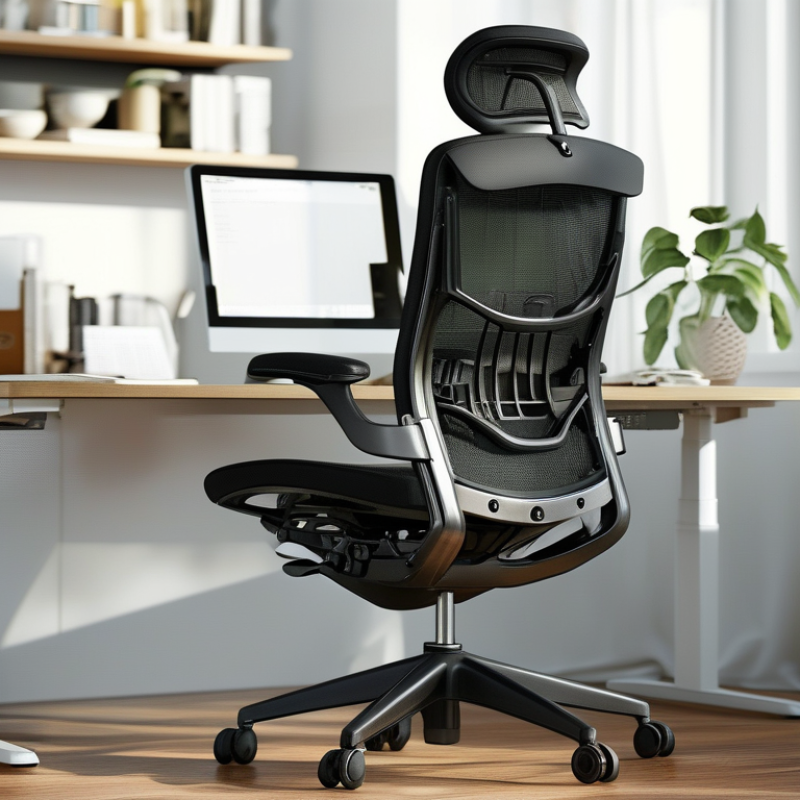
Ergonomic chairs are designed to promote health and comfort. They provide support for the spine, which minimizes discomfort during long hours of sitting. These chairs are adjustable to fit various body types. Features like lumbar support and seat height adjustment cater to individual needs. This customization helps maintain a better posture.
The construction of ergonomic chairs often includes breathable materials. This ensures airflow, keeping users cool and comfortable. Some models even have memory foam that molds to the body’s shape. However, it’s essential to find one that suits your body well. Not every chair suits everyone, and personal preference plays a big role in comfort.
Investing in an ergonomic chair can seem overwhelming due to the price. Many people wonder if they truly need one. Reflecting on your sitting habits is important. If you spend hours at a desk, consider how your current chair affects your well-being. The right chair can lead to increased productivity and reduced pain over time. Selecting a chair requires thought, as comfort is subjective.
Ergonomic chairs offer numerous health benefits that can significantly enhance workplace comfort.
These chairs are designed to support natural body posture during long hours of sitting. Proper alignment reduces strain on the spine and neck, preventing chronic pain. Many users report feeling more productive when uncomfortable discomfort is minimized.
Using an ergonomic chair can improve circulation as well. Good blood flow keeps energy levels stable throughout the day. This can lead to better focus on tasks. However, not all ergonomic chairs fit everyone perfectly.
Some individuals might find adjustments difficult. It’s important to test various options to find the right fit.
Regular use of ergonomic chairs can also encourage movement. Some models have features that promote active sitting. This reminds users to shift positions frequently, which is beneficial. Yet, the costs involved can be daunting. Many employers hesitate to invest in these chairs. Finding a balance between cost and comfort is essential. This might require reflection on personal or organizational priorities.
Investing in ergonomic chairs can seem daunting due to their higher price, but the benefits often outweigh the costs. Studies indicate that poor seating contributes to a significant percentage of workplace discomfort. According to the Occupational Safety and Health Administration (OSHA), musculoskeletal disorders lead to lost workdays and decreased productivity. Ergonomic chairs can alleviate these issues, ultimately boosting employee efficiency and retention.
A report from the Journal of Occupational and Environmental Medicine suggests that quality ergonomic chairs can reduce back pain by up to 50%. This reduction not only enhances comfort but also improves overall morale among workers. Employers should calculate these potential savings against the chair's upfront cost. Investing in ergonomic solutions can lead to higher long-term returns.
**Tips:** Adjust the chair height to maintain your feet flat on the ground. Ensure your elbows are at a 90-degree angle for optimal support. Take regular breaks to reset your posture and prevent fatigue. These simple actions contribute to a comfortable work environment. Every small adjustment can lead to significant improvements in well-being.
Ergonomic chairs and traditional office chairs differ significantly in design and functionality. A study by the American Journal of Public Health found that workers using ergonomic chairs reported a 50% reduction in discomfort compared to those in standard models. This is crucial, as discomfort can lead to decreased productivity and increased healthcare costs.
Unlike traditional chairs, ergonomic designs offer features like adjustable height, lumbar support, and seat depth. According to a report from the Institute for Ergonomics, proper posture can enhance focus. A survey revealed that employees using ergonomic chairs showed a 30% increase in overall job satisfaction. This highlights the importance of investing in better seating for a healthier workspace.
While ergonomic chairs are pricier, their benefits are hard to overlook. However, not every ergonomic chair suits every body type. Reviews often highlight that what works for one person may not work for another. The ideal chair should support your specific needs. Not incorporating feedback and experimentation can lead to an uncomfortable experience, diminishing potential benefits.
When considering an ergonomic chair, comfort and support are critical. The right chair can enhance your posture, reducing back pain and fatigue. Look for adjustable features. Armrests, seat height, and lumbar support should fit your body well. Not all adjustable features are the same, and some might not work as effectively.
Material matters too. Breathable fabrics can keep you cool during long hours of work. Foam density affects comfort and longevity. Test the chair to see if it provides the right balance. Feel free to take your time. It's essential to connect with the chair.
Many users overlook weight distribution. An ergonomic chair should distribute your weight evenly. A poorly designed chair might lead to pressure points. Lastly, consider the assembly process. Some chairs can be complicated to put together. It’s a worthwhile investment, but ensure it fits your needs.
| Feature | Importance | Price Range | Benefits |
|---|---|---|---|
| Lumbar Support | High | $200 - $1000 | Reduces back pain and promotes posture |
| Adjustable Armrests | Medium | $150 - $800 | Supports arms and reduces shoulder strain |
| Seat Depth Adjustment | Medium | $100 - $600 | Improves blood circulation in legs |
| Material Quality | High | $200 - $1200 | Enhances durability and comfort |
| Tilt Mechanism | Medium | $50 - $400 | Allows dynamic sitting and reduces fatigue |
: Ergonomic chairs support natural body posture, reducing strain on the spine and neck. They prevent chronic pain.
Users often feel more productive when discomfort is minimized. Better seating can enhance focus on tasks.
No, some individuals may find adjustments difficult. It's essential to test various options for the right fit.
Yes, good blood flow can keep energy levels stable and enhance overall workplace comfort.
Look for adjustable features that fit your body well, such as armrests and lumbar support.
The higher cost can be daunting, but investing in comfort may lead to better employee retention.
Adjust the height so your feet are flat on the ground. Take regular breaks to prevent fatigue.
Breathable fabrics keep you cool, while foam density affects comfort and longevity. Test before you buy.
An ergonomic chair should evenly distribute your weight. Poor designs can create pressure points and discomfort.
Yes, some chairs may be complicated to assemble. Ensure you choose a design that meets your needs.
Ergonomic chairs are designed to enhance workplace comfort and support, addressing the need for better posture and reduced strain during long hours of sitting. The health benefits associated with these chairs are significant, as they can alleviate back pain and improve overall productivity. However, many people wonder, "Why are ergonomic chairs so expensive?" The cost often reflects advanced ergonomic features, durable materials, and innovative designs that promote health and comfort.
When comparing ergonomic chairs to traditional office chairs, it's clear that the former offers a worthwhile investment for those who prioritize their well-being. Factors to consider when choosing an ergonomic chair include adjustability, lumbar support, and material quality. Ultimately, investing in a high-quality ergonomic chair can lead to long-term health benefits and enhanced workplace satisfaction, justifying the higher price point.
