 WorkX Chair
WorkX Chair
WorkX Chair
In today's fast-paced world, many of us spend hours seated at a desk. This can lead to discomfort and fatigue if our chairs lack proper support. Dr. Emily Thompson, a leading ergonomics expert, says, "The right lumbar support isn't just a luxury; it's a necessity for your long-term health." This brings us to the pressing question: "Why do I need lumbar support in my desk chair?"
Lumbar support directly impacts our posture while sitting. Without it, our spines may curve improperly, leading to back pain and other health issues. Many office chairs are designed neglectfully, lacking the curvature that supports the lower back. This deficiency can create muscle strain and may lead to chronic pain over time.
Moreover, good lumbar support promotes better circulation. When you are comfortable, your focus and productivity increase. A chair that supports your lower back allows for sustained attention on your tasks. It is essential to acknowledge the role of lumbar support in maintaining our well-being, especially when we are confined to a desk for extended periods. Invest in your health by choosing a chair that prioritizes lumbar support.
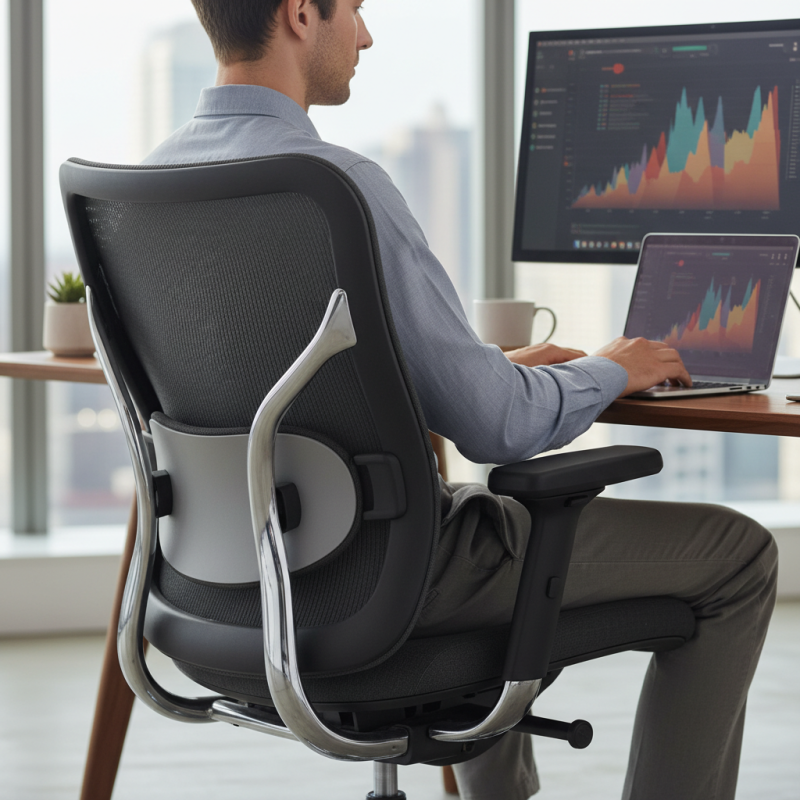
Lumbar support is vital for your desk chair. It helps maintain the natural curve of your spine. Poor posture can lead to discomfort and long-term damage. Many people spend hours seated each day. Without proper support, this can become a serious issue.
Understanding lumbar support means recognizing its role in your everyday life. It fills the gap between your back and the chair. This support helps distribute your weight evenly and alleviates pressure points. It’s not just about comfort; it’s about health. An ergonomic chair can help reduce fatigue and improve productivity.
Reflect on your own seating habits. Do you often slouch or shift positions? These behaviors can indicate a lack of support. Moreover, sitting in a chair that doesn't provide lumbar support can contribute to back pain over time. Investing in the right support is crucial.
| Dimension | Description | Importance |
|---|---|---|
| Lumbar Curve | The natural inward curve of the lower back. | Supports the spine’s natural alignment. |
| Chair Height | The height of the chair should allow feet to rest flat on the floor. | Aids in proper posture and reduces strain. |
| Padding Thickness | Thickness and support of lumbar padding. | Improves comfort during extended use, reducing fatigue. |
| Adjustability | Ability to modify lumbar support height and depth. | Personalizes support to individual body types. |
| Material | Type of material used in lumbar support. | Affects durability, comfort, and breathability. |
: Lumbar support helps maintain the spine's natural curve while sitting. It fills the gap between your back and the chair.
It's essential for preventing discomfort and long-term damage from poor posture. Proper support promotes spinal health.
Inadequate support can lead to discomfort, distracting you from work. Improved support helps maintain focus and efficiency.
Neglecting lumbar support can lead to chronic pain and decreased productivity over time. Issues may seem minor at first.
Adjust your chair height so it's level with your knees. Also, ensure your feet rest flat on the ground.
Yes, a cushion can enhance comfort and support. It fills the gap and promotes proper posture.
Signs include slouching, back pain, and muscle fatigue. These often develop after long periods of sitting.
Frequent breaks are vital. Stand up, stretch, and walk around to relieve pressure on your back.
Yes, a chair with proper lumbar support is essential. Consider its long-term impact on your health and comfort.
Yes, slouching can cause tension headaches and muscle fatigue. Over time, it affects overall well-being.
When considering the question, "Why do I need lumbar support in my desk chair?" it’s essential to understand the anatomy of the lumbar region and the benefits of proper lumbar support while sitting. Lumbar support plays a crucial role in maintaining the natural curve of the spine, which can help alleviate back pain and improve overall posture.
Inadequate lumbar support can lead to a variety of risks, including chronic pain and discomfort, which can negatively impact productivity and health. Therefore, choosing the right desk chair with proper lumbar support is vital to ensure that you are comfortable during long hours of sitting. A well-designed chair can provide the necessary support to promote good posture and enhance well-being while working.
