How to Protect Hardwood Floors from Office Chair Wheels?

Time:2026-09-19 Author:Madeline
0%

Hardwood floors bring warmth and character to an office, but rolling chair wheels can leave scratches, dents, and dull tracks. A chair may look harmless while its casters repeatedly grind dust into the finish. Tiny grit acts like sandpaper. Over several months, the area beneath a desk can become noticeably worn.

If you are wondering how to protect hardwood floors from office chair wheels, begin with the floor’s finish and your daily habits. A clear, rigid chair mat designed for hardwood can reduce direct pressure and rolling friction. Soft polyurethane mats often feel more natural than brittle plastic. However, no mat works well when dust collects underneath. Clean the floor regularly, and inspect the mat’s underside for trapped particles. Replacing hard casters with soft rubber or rollerblade-style wheels may also reduce noise and surface stress.

Protection is not always perfect. A mat can shift, edges can curl, and some wheels may still mark delicate finishes. Test every product in a hidden area first. This small step matters. Flooring professionals also recommend lifting the chair occasionally instead of dragging it across the room. Check wheels for cracks, exposed metal, or uneven movement. A damaged caster can create one deep line surprisingly quickly. With suitable equipment, routine cleaning, and realistic maintenance, you can preserve the wood’s appearance without making the workspace feel uncomfortable or overly restricted.
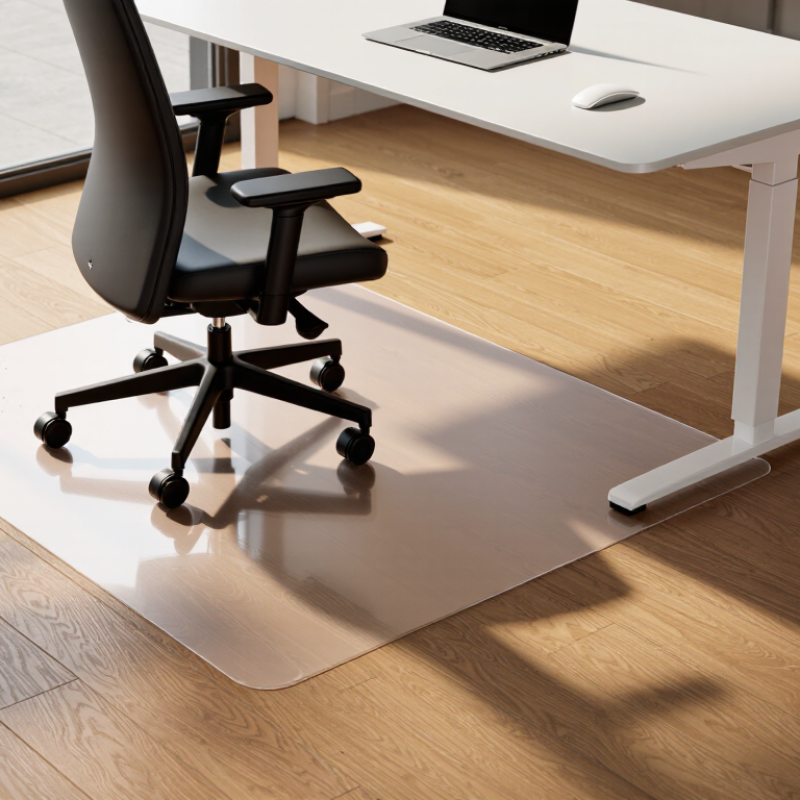
How to Protect Hardwood Floors from Office Chair Wheels?

Assess How Office Chair Wheels Affect Hardwood Floors

Office chair wheels can quietly damage hardwood floors during daily desk work. The risk depends on wheel material, chair weight, movement, and floor finish. Hard plastic wheels may create tiny scratches when grit becomes trapped underneath. Repeated rolling can also dull the finish along a narrow track. In office maintenance, damage often appears near desks where users pivot instead of lifting their chairs. The floor may look fine for months. Then sunlight reveals a cloudy patch. Not every mark comes from the wheels, though. Sand, moisture, and poor cleaning habits often share the blame.

Tips: Inspect the wheels weekly and remove trapped grit with a soft brush. Check them often. Use a properly sized clear floor mat with a smooth underside. Choose softer wheels designed for hard flooring, and replace damaged wheels promptly. Keep chair movements gentle, and lift the chair when repositioning. Wipe spills quickly. Avoid dragging furniture across the floor. A mat helps, but it is not magic. Dust beneath it may still abrade the finish, so clean both surfaces regularly.

Assessment should be practical, not based on appearance alone. Run clean fingertips across the traffic path; raised edges may indicate scratches, while dull areas may signal finish wear. Photograph the same spot monthly under similar lighting. This creates useful evidence before refinishing becomes necessary. If boards separate, squeak, or show deep grooves, ask a qualified flooring professional to inspect them. My weak point is consistency: I sometimes forget to clean beneath the mat. That small oversight can undo careful protection.

Choose the Right Floor Mat and Chair Casters

Hardwood floors can develop scratches, dents, and dull patches under rolling office chairs. The right floor mat creates a stable barrier between the wheels and the finish. Choose a mat designed for hard flooring, not carpet. Look for a smooth underside, rounded or beveled edges, and enough thickness to resist bending. A clear mat can preserve the wood’s appearance, but dust may collect beneath it. Check the floor weekly, especially near the chair’s front wheels.

Chair casters matter just as much. Soft polyurethane or rubber casters usually roll more gently than rigid plastic wheels. Wider wheels can spread the chair’s weight and reduce pressure on a small area. Confirm that the casters fit the chair base securely and support the user’s weight. Test the chair on a hidden section first. Some wheels feel smooth but still leave marks after repeated movement. That detail is easy to miss.

Tips: Sweep grit before placing the mat. Tiny particles can act like sandpaper. Keep drinks away from the mat’s edges. Lift the mat occasionally and check for trapped moisture, dust, or cloudy patches. Replace damaged casters promptly. No setup is perfect. Observe the floor, then adjust the mat or wheel type when wear appears.

Install a Protective Floor Surface Correctly

Office chair wheels can leave scratches, dull tracks, and small dents on hardwood floors. A protective floor surface creates a stable barrier between the casters and the finish. Choose a chair mat designed for hardwood, not one made only for thick carpet. Check its backing carefully. Some rubber or plastic materials may trap moisture or react with certain floor finishes.

Installation matters as much as the mat itself. Clean the floor with a dry microfiber cloth before placing it. Even one grain of sand can become a pressure point under the mat. Let the mat reach room temperature, then lay it flat without forcing curled edges. Position it under the desk, chair, and foot area. The chair should stay fully on the surface when you roll backward. Leave enough clearance around the desk legs, and check that the mat does not slide. I have seen well-chosen mats fail because dust remained underneath. That small mistake is easy to repeat.

Tips: Measure the rolling zone first. Use a non-staining, wood-safe surface. Inspect the mat monthly for grit, moisture, or lifted corners. Wipe the floor and underside gently. If the hardwood has a new finish, wait until it fully cures before installation. When uncertain, test the material in a hidden spot for several days. A slightly larger mat often protects better, though it may look less tidy.

Use Office Chair Wheels Safely on Hardwood

Use Office Chair Wheels Safely on Hardwood

Hardwood can tolerate office work, but repeated wheel movement creates fine scratches and dull tracks. The U.S. Bureau of Labor Statistics’ 2023 American Time Use Survey reported that employed adults worked about 7.9 hours on an average workday. That daily pressure makes prevention more practical than repair.

Choose soft, wide casters designed for hard flooring. ANSI/BIFMA X5.1-2017 evaluates office-chair stability, strength, and caster durability, but it does not certify every caster as hardwood-safe. Check the caster material and inspect each wheel for grit. Small stones can act like sandpaper.

Use a clear, rigid floor mat with smooth edges. NWFA care guidance also emphasizes removing abrasive particles and adding protective pads beneath movable furniture. Clean beneath the mat weekly. Move the chair slowly. Keep all five casters on the mat, especially when reaching sideways. Do not drag the chair across exposed boards.

A mat is not magic.

I once assumed larger wheels would prevent damage. They reduced vibration, but trapped dust still left a faint gray trail. That mistake matters: protection needs cleaning and inspection, not only better hardware. Test the setup in a hidden corner for several days. Look closely in daylight. If the finish feels rough, stop using the chair and check the wheels, mat, and floor surface.

Inspect and Maintain the Floor Protection Regularly

Hardwood floors can survive office work, but chair wheels create constant, hidden abrasion. Inspect the protective mat every week, especially around the desk’s front edge. Look for cloudy patches, curled corners, grit, and thin scratches beneath the mat. Small cracks matter. Run your fingers across the surface, but clean your hands first. A rough spot may catch dust and grind it into the finish.

Move the chair and mat gently during inspection. Never drag a loaded mat across the floor. Vacuum loose particles with a soft attachment, then wipe the mat with a slightly damp cloth. Let it dry completely before replacing it. Check that the mat lies flat and stays centered under the casters. Do not guess. If the mat shifts daily, add a wider protective surface or adjust the desk layout. Flooring professionals commonly advise matching protection to the floor’s finish and the chair’s movement, not just its appearance.

Once a month, inspect the hardwood under bright, side-facing light. This reveals dull tracks that overhead lighting can hide. Test the chair on the clean mat for several minutes. Listen for clicking or feel uneven rolling. Those signs can indicate trapped grit or worn wheels. I have found that routine checks are easy to postpone in busy offices. That is a weakness in the maintenance plan, not a reason to ignore it. Record the inspection date and photograph any change. Contact a qualified flooring professional when scratches deepen, boards lift, or finish peels; early advice may prevent a larger repair.

FAQS

What type of floor mat works best on hardwood floors?

Choose a mat made for hard flooring, not thick carpet. It should have a smooth underside, rounded edges, and enough thickness to resist bending.

Which chair casters are gentler on hardwood?

Soft rubber or polyurethane casters usually roll more gently than rigid plastic wheels. Wider wheels spread weight across a larger area.

How should I prepare the floor before installing a mat?

Sweep or wipe the floor with a dry microfiber cloth. One grain of sand can act like sandpaper beneath the mat.

How large should the protective mat be?

Measure the chair’s full rolling zone first. The mat should cover the desk, chair, and foot area. A larger mat may protect better, but look less tidy.

How do I install the mat correctly?

Let it reach room temperature, then lay it flat without forcing curled edges. Keep all chair casters on the mat while rolling backward.

How often should I inspect the mat and floor?

Check the floor weekly and inspect the mat monthly. Look for trapped dust, moisture, cloudy patches, sliding, or lifted corners.

Can a floor mat trap moisture or damage the finish?

Yes, some materials may trap moisture or react with certain finishes. Test the mat in a hidden spot for several days before full installation.

What should I do if the chair leaves marks?

Stop using it and inspect the wheels, mat, and floor. Remove grit, replace damaged casters, and test the setup in daylight.

Are larger wheels enough to prevent floor damage?

Not always. Larger wheels may reduce vibration, but trapped dust can still leave a faint gray trail. A mat is not magic.

What common mistake should I avoid?

Do not drag the chair across exposed boards. Keep drinks away from mat edges, and lift the mat occasionally to check underneath.

Conclusion

How to protect hardwood floors from office chair wheels starts with understanding how daily movement can affect the surface. Rolling, pivoting, and trapped dust may create scratches, scuffs, or dull areas over time, especially on frequently used floors. Choose a floor mat designed for hard flooring and select chair casters that roll smoothly without sharp edges or excessive pressure. The protective surface should be large enough to cover the chair’s full range of movement and placed on a clean, dry, and level floor.

Use the chair carefully by avoiding sudden dragging, excessive force, or rolling over exposed floor edges. Clean the mat and wheels regularly so dirt does not act like sandpaper against the hardwood. Inspect the floor protection often for cracks, curling, movement, or trapped debris, and replace or reposition it when necessary. Regular maintenance helps preserve the floor’s appearance, improves chair mobility, and provides reliable long-term protection for a comfortable workspace.

Madeline

Madeline

Madeline is a dedicated marketing professional with a wealth of expertise in our company's core offerings. With a keen understanding of the industry, she brings a unique perspective to her role, consistently delivering high-quality content that highlights the superior aspects of our products. As......