WorkX Chair
Have you ever wondered, "Why do my legs hurt after sitting in my office chair"? This common concern can stem from various factors. Dr. Emily Carter, a physical therapist, states, “Prolonged sitting leads to stiffness and poor circulation, causing discomfort in the legs.” Many office workers face this issue daily, often ignoring the signs until pain becomes unbearable.
Sitting for hours can restrict blood flow. It places stress on your muscles and joints, leading to cramps and fatigue. You might shift your weight often, seeking a comfortable position. This constant movement indicates your body is trying to communicate a need for change. When was the last time you stood up to stretch?
Poor seating arrangements add to the problem. An office chair that lacks proper support can exacerbate leg pain. Many people underestimate the importance of ergonomics. Small adjustments in your workspace may provide significant relief. Comfort matters, but remember, inactivity is not your friend.
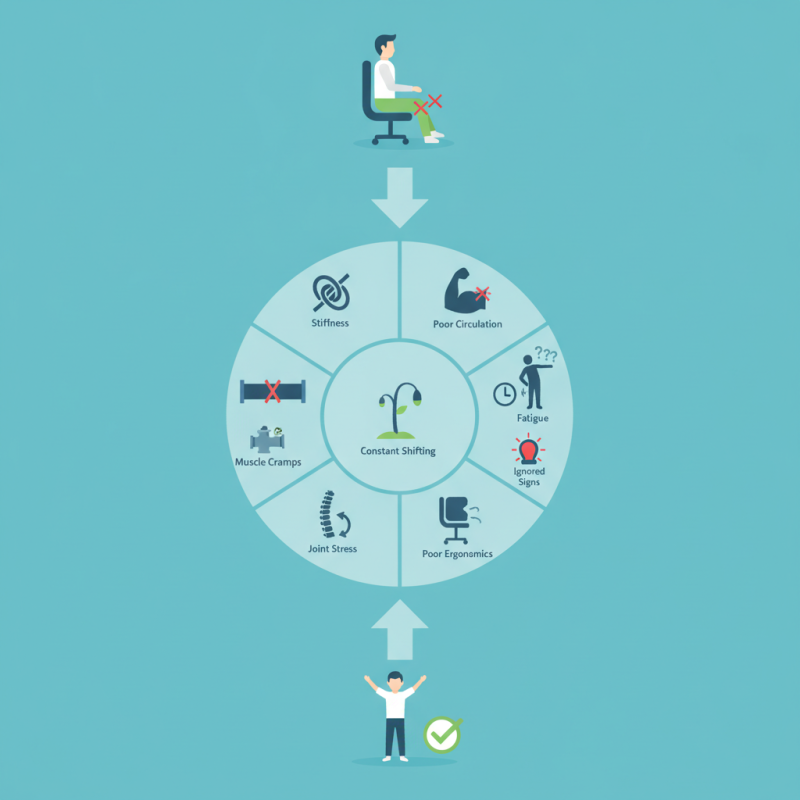
Prolonged sitting can significantly impact leg health. Research indicates that individuals who sit for more than eight hours daily are at risk for various health issues. Studies show that long periods of inactivity can lead to muscle stiffness, poor circulation, and even chronic pain in the legs. According to the World Health Organization, sedentary behavior is linked to an increased risk of cardiovascular diseases and musculoskeletal disorders.
The body responds negatively to prolonged sitting. Blood flow to the legs slows down, which can lead to swelling and discomfort. A lack of movement can weaken muscles and joints over time. Even a slight reduction in physical activity can result in noticeable changes in leg strength and flexibility. It’s important to realize that while sitting seems harmless, the cumulative effects can be detrimental.
Tips: To combat these effects, incorporate short breaks during the day. Stand up or stretch every 30 minutes. Simple exercises, like calf raises or leg extensions, can promote blood circulation. Staying hydrated also supports muscle function. A small change in routine can improve leg comfort and overall health. Moving regularly helps maintain strength and increases flexibility.
Sitting for long hours can lead to various leg pains. Many experience discomfort after being seated all day. Studies indicate that prolonged sitting can result in muscle stiffness and reduced blood circulation. The American Academy of Orthopaedic Surgeons reports that sitting compresses your lower back and hip joints. This compression affects neighboring muscles, leading to pain and discomfort.
Leg pain may arise from poor posture while sitting. Many people slouch or cross their legs, which strains muscles and nerves. A report by the National Institutes of Health showed that such positions can cause nerve compression. This can result in shooting pain or tingling in the legs. It's essential to evaluate your seating position regularly.
Tips to alleviate discomfort include standing up at least once an hour. Move around or do light stretching to improve circulation. Consider using supportive cushions to enhance your posture. Adjusting the height of your chair can also help maintain proper alignment, reducing strain on your legs. If pain persists, consult a healthcare professional to rule out serious conditions.
Sitting for long periods affects your circulation significantly. Blood pools in the lower extremities when you remain immobile. This stagnation can cause your legs to feel heavy and tired. You may experience aches that worsen over time. This discomfort often signals that your body needs movement and stimulation.
Poor circulation leads to other issues. Numbness or a tingling feeling might occur. When blood flow is restricted, muscles and nerves can suffer. You might wonder why stretching feels so good after sitting. It promotes circulation and helps relieve tension. However, many people forget to stand up and move.
Reflections on daily routines reveal the importance of breaks. You may commit hours to your desk, sacrificing comfort. Consider a standing desk or short walks periodically. Small changes can have a big impact. Remember, your legs deserve care, just like the rest of your body.
Sitting for prolonged periods can lead to significant leg pain. Studies show that nearly 60% of people experience discomfort after sitting all day. This pain often results from poor circulation and muscle stiffness. To combat these issues, simple exercises and stretches can be effective.
Incorporating frequent movement into your routine is key. For instance, standing up and walking for a few minutes every hour can greatly enhance blood flow. Stretching your calves and hamstrings can also relieve tension. A study published in the Journal of Physical Therapy Science found that stretching reduces muscle tightness by 21%.
You might consider trying ankle pumps and seated leg extensions while at your desk. These can activate your leg muscles without needing to leave your workspace. Remember to also hydrate, as dehydration can exacerbate muscle cramps. Listening to your body is crucial; if you feel pain, it’s a sign to adjust your position or take a break. Making small changes can significantly improve your overall leg health.
Long hours of sitting can lead to uncomfortable leg pain. To combat this, small changes can enhance your comfort. Start by adjusting your chair height. Your knees should be at a 90-degree angle. If your feet don't reach the floor, use a footrest.
Incorporate regular standing breaks. Even a minute every 30 minutes can boost circulation. Stretch your legs during these breaks. Simple calf raises or ankle rolls can relieve tension. Hydration is key; drink water throughout the day. Dehydration can enhance muscle cramps.
Lastly, consider wearing compression socks. They support blood flow and help reduce swelling. While these steps may seem minor, they make a big difference. Reflect on your daily routine to incorporate these mindful practices. Your legs will thank you.
| Reason | Description | Preventive Measure |
|---|---|---|
| Poor Circulation | Sitting for long periods can restrict blood flow. | Take regular breaks to stand and stretch. |
| Muscle Fatigue | Prolonged sitting can lead to tired leg muscles. | Engage in light exercises and stretching throughout the day. |
| Joint Stiffness | Sitting can cause stiffness in the knees and hips. | Incorporate hip and knee mobility exercises. |
| Poor Posture | Slouching can lead to pain and discomfort. | Maintain an ergonomic seating position. |
| Dehydration | Lack of water can lead to muscle cramps and fatigue. | Drink plenty of water throughout the day. |
| Nerve Compression | Sitting can put pressure on the nerves in the legs. | Adjust your seating to avoid nerve compression. |
| Weight Gain | Excess weight can lead to increased pressure on the legs. | Maintain a healthy diet and regular exercise. |
| Varicose Veins | Prolonged sitting can worsen varicose veins. | Elevate your legs when possible. |
| Sedentary Lifestyle | Lack of movement can lead to various health issues. | Incorporate physical activity into your daily routine. |
| High Stress Levels | Stress can cause muscle tension and pain. | Practice stress relief techniques such as deep breathing. |
: Prolonged sitting can lead to muscle stiffness, poor circulation, and chronic leg pain.
Sitting for more than eight hours daily increases health risks.
Blood pools in the legs, causing heaviness and fatigue.
Stand up every hour and perform light stretching to improve blood flow.
Slouching or crossing legs can strain muscles and cause nerve compression.
Stretching promotes blood circulation and relieves muscle tension.
Calf raises and leg extensions are effective for promoting circulation.
Staying hydrated supports muscle function and can help prevent discomfort.
Consult a healthcare professional to rule out serious conditions.
Adjust your chair height and consider using supportive cushions for proper alignment.
Prolonged sitting, especially in office environments, can significantly impact leg health, leading to discomfort and pain. Many people often find themselves asking, "Why do my legs hurt after sitting in my office chair?" This phenomenon can be attributed to several common causes, including poor circulation, muscle stiffness, and nerve compression. Understanding these factors is crucial in addressing leg pain linked to extended sitting.
To alleviate discomfort, it is essential to incorporate exercises and stretches into your routine. Simple movements can enhance circulation and relieve pressure on your legs. Additionally, adopting preventive measures, such as ergonomic seating and taking regular breaks, can help reduce the risk of pain. By recognizing the underlying issues and actively addressing them, individuals can improve their overall leg health and comfort while working long hours at a desk.
