WorkX Chair
Choosing the right ergonomic chair can significantly impact your comfort and health. Many people struggle with lower back pain, especially those who sit for long periods. Understanding how to choose the best ergonomic chair for lower back pain is crucial. This decision can affect your daily productivity and overall well-being.
When selecting an ergonomic chair, look for key features. Adjustable height, lumbar support, and seat depth are essential. A chair that aligns with your body promotes healthy posture. However, it’s easy to overlook some details; not every chair labeled "ergonomic" will meet your needs. Each person's body is unique, and what works for one may not work for another.
Try different options and take your time. Test the chair in your home or office for several days. You may face some discomfort during the adjustment period. Listening to your body is vital. A chair may seem perfect at first but could lead to issues later. Choosing the best ergonomic chair is a thoughtful process, requiring personal experience and reflection.
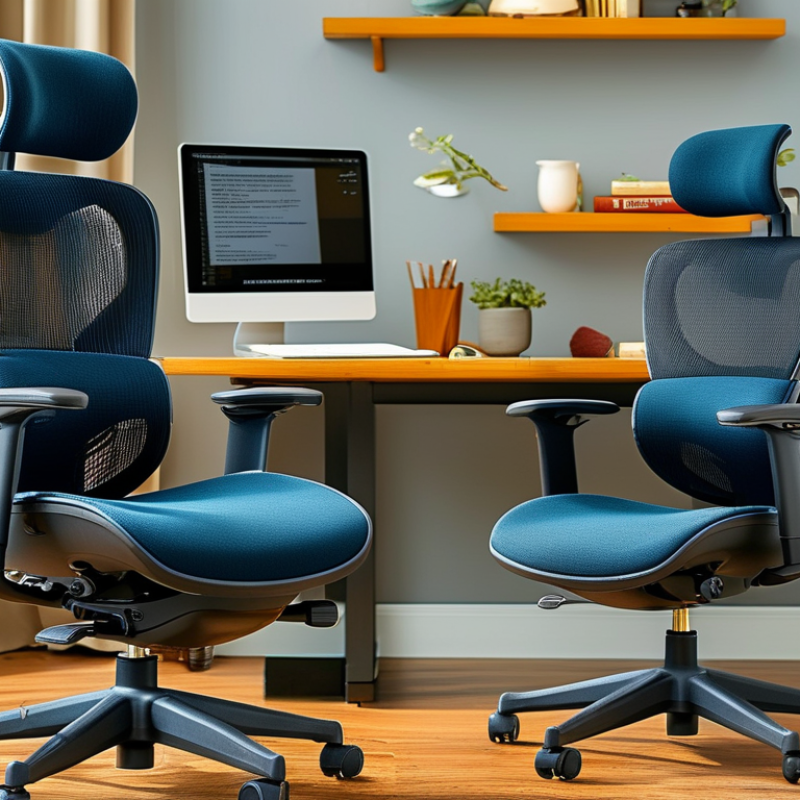
Ergonomic chairs play a crucial role in supporting back health. Many people spend long hours sitting, often leading to discomfort and pain. An ergonomic chair is designed to promote good posture, which can reduce strain on the back. The right chair can make a significant difference in overall well-being. Look for features like lumbar support, adjustable seat height, and armrests.
A key factor is adjustability. Everyone’s body is unique. A chair that fits one person may not suit another. Take the time to find a chair that can be customized. This can help maintain a natural spine alignment. Comfort is also essential. A comfortable chair encourages longer periods of sitting without discomfort.
Consider material and design carefully. Breathable fabrics can prevent overheating. A well-designed chair will also encourage movement. Movement is vital for spinal health. Many ergonomic chairs allow for slight rocking or adjustability to keep the body engaged. While it’s easy to choose a visually appealing chair, remember to prioritize function for lasting health benefits. Reflect on your current chair and its effect on your posture and pain levels.
Choosing the right ergonomic chair is crucial for managing back pain. One of the key features to consider is
lumbar support. This support should fit comfortably against your lower back. The right lumbar support can significantly reduce discomfort during long hours of sitting.
Another important aspect is adjustability. Your chair must allow multiple adjustments. Look for options that let you change seat height, armrest height, and backrest angle. These adjustments help you find a comfortable position tailored to your body.
Material is equally essential. A breathable mesh or high-quality fabric keeps you cool and comfortable. Poor material can lead to sweat and discomfort, which distracts from productivity. It's vital to consider how long you'll be sitting as well. A chair that feels good in a short test may not hold up during extended use.
Choosing the right ergonomic chair is crucial for those suffering from back pain. Adjustable features play a significant role in enhancing comfort and support. Look for chairs that offer lumbar support, as this helps maintain proper spinal alignment. A chair with a height-adjustable seat allows for better positioning relative to your desk. This adjustment encourages better posture throughout the day.
Armrests are another essential aspect of adjustability. They should be positioned so that your shoulders can relax. If the armrests are too high or too low, it can lead to discomfort. Some chairs even offer adjustable backrests, which can provide additional support as needed. Experimenting with these adjustments may require some time. It’s essential to find what works best for your unique body.
Consider the material of the chair as well. Breathable fabrics can improve your comfort during long hours of work. While all these features sound ideal, they may not be perfect for everyone. Reflect on how each aspect impacts your daily routine. A small adjustment today might lead to significant relief tomorrow. Your body deserves the best support possible.
This chart illustrates the importance of various features in ergonomic chairs based on user preferences. The data reflects the percentage of users who prioritize each feature when selecting a chair to alleviate back pain.
When it comes to back pain relief, statistics highlight the significance of proper seating. According to recent studies, over 80% of office workers experience back pain due to inadequate seating. This statistic underscores the urgent need for selecting the right ergonomic chair. Investing in a chair designed to support your spine can lead to significant improvements in comfort and overall well-being.
Tips for choosing the best ergonomic chair include looking for adjustable features. Height, lumbar support, and armrests should all be customizable. Test the chair to see if it accommodates your body type effectively. A chair that fits you will encourage good posture, thus reducing strain on your back. Additionally, consider materials that promote breathability. A well-ventilated chair can enhance comfort during long hours of sitting.
Many overlook the importance of moving frequently. While a good ergonomic chair supports you, staying sedentary can be detrimental. It’s essential to take breaks and stretch throughout the day. Reflect on your sitting habits and adjust accordingly. Incorporating movement can be as vital as the chair itself in combating back pain.
| Feature | Importance Level | Recommended Adjustable Range | Impact on Back Pain Relief (%) |
|---|---|---|---|
| Lumbar Support | High | Adjustable height and depth | 40% |
| Seat Depth Adjustment | Medium | 2-4 inches | 30% |
| Seat Height Adjustment | High | 16-21 inches | 25% |
| Armrest Adjustment | Medium | Height adjustable | 15% |
| Backrest Recline | High | 90 to 130 degrees | 20% |
When selecting an ergonomic chair, the materials used are crucial for comfort. Different fabrics and foams impact how the chair feels during long hours of use. For instance, a breathable mesh allows air circulation, which can keep you cool. This is especially important if you sit for extended periods. However, some people may find mesh less cushy compared to upholstered options.
Foam density is another important factor. High-density foam can offer good support but may feel too firm for some users. Softer foams might feel cozy at first but could lack the necessary support as time goes on. It’s essential to try sitting in different materials before choosing the right one. The experience will vary based on your weight and body type.
Finally, don’t overlook adjustable features. Some chairs have multiple elements that let users customize their support. You might find a chair is comfortable initially but doesn't adjust well, leading to discomfort later. Pay attention to these details. They can affect your long-term satisfaction. Test out various chairs and materials to find the balance between support and comfort that works for you.
: They promote good posture, reducing discomfort and pain during long sitting hours.
Look for lumbar support, adjustable seat height, and armrests for optimal comfort.
Adjustability allows customization, accommodating unique body shapes and maintaining spine alignment.
A comfortable chair encourages longer sitting periods without discomfort or strain.
Choose breathable fabrics to prevent overheating and enhance overall comfort.
Chairs that allow slight rocking or adjustability keep the body engaged, promoting movement.
Reflect on its impact on your posture and pain levels during daily use.
Properly positioned armrests allow shoulders to relax, preventing discomfort during use.
Not necessarily; every person has unique needs. Take time to find what suits you best.
Reflect on its features and adjustments, and be open to trying different options.
Choosing the right ergonomic chair is crucial for maintaining back health, especially for those experiencing lower back pain. Understanding the importance of these chairs involves recognizing how they can significantly reduce discomfort and improve posture. When determining how to choose the best ergonomic chair for lower back pain, it’s essential to focus on key features such as lumbar support, seat height, and adjustability, as these factors directly impact overall comfort and support.
Experts emphasize the importance of adjustability, suggesting that a chair should accommodate individual preferences to promote proper spinal alignment. Additionally, industry statistics highlight the potential for back pain relief through proper seating solutions, making the evaluation of different materials for comfort a vital consideration in the decision-making process. Selecting an ergonomic chair that combines these elements can lead to enhanced well-being and productivity.
