Latest Trends in Modern Conference Room Design 2026?

Time:2026-07-06 Author:Mason
0%

In the rapidly evolving landscape of corporate environments, the question arises: "What are the latest trends in modern conference room design?" Industry expert Mark Johnson, an award-winning interior designer, emphasizes, "Flexibility and technology are reshaping the spaces where ideas flourish."

Today’s conference rooms are more than just meeting spaces. They embody collaboration, creativity, and innovation. Many designers now favor adaptable layouts that can shift between formal meetings and casual brainstorming sessions. This versatility allows teams to engage dynamically.

Furthermore, technology integration is crucial. High-tech tools enhance interaction and engagement. Interactive screens and wireless connectivity are no longer luxuries; they are essentials. However, amidst this rush for innovation, one must ponder: Are we prioritizing aesthetics over functionality? True modern design should balance both elements, creating spaces that inspire while serving their intended purpose effectively.
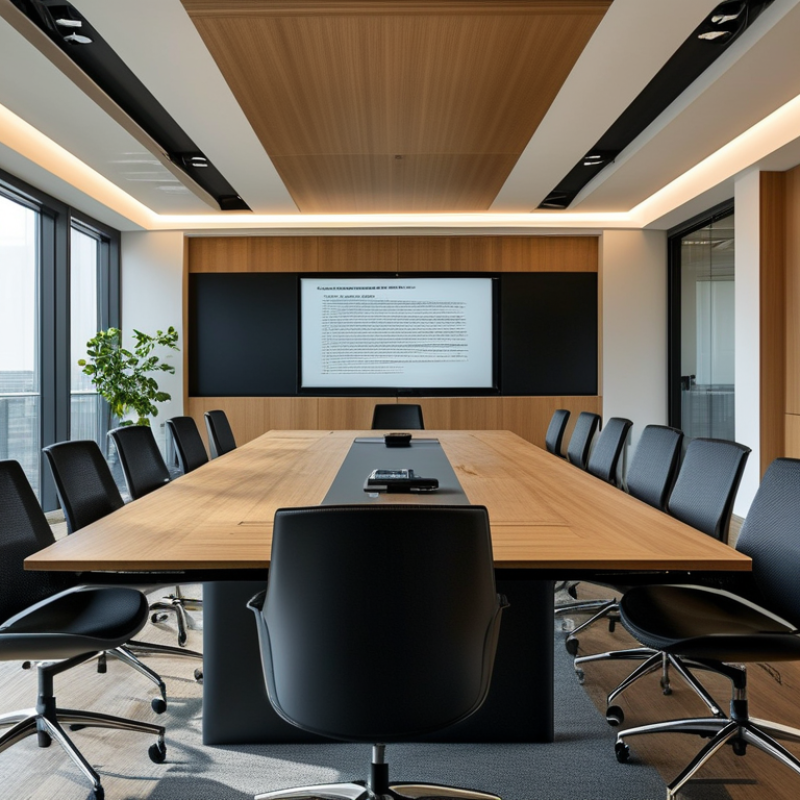
Latest Trends in Modern Conference Room Design 2026?

Innovations in Acoustic Design for Enhanced Sound Quality in 2026

The design of modern conference rooms is evolving rapidly in 2026. One major trend is innovations in acoustic design aimed at enhancing sound quality. Effective acoustic solutions are vital for clear communication during meetings. Poor acoustics can lead to misunderstandings and frustration, diminishing productivity.

Architects and designers now utilize advanced materials for sound absorption. Acoustic panels, ceiling tiles, and even floor coverings play a crucial role in controlling sound. Smart technology is also being integrated. Automated sound adjustment systems can optimize audio clarity based on the room's layout. This ensures that every voice is heard clearly, without echo or distortion.

Tips: Consider using plants in your conference room. They can help absorb sound and improve aesthetics. Additionally, think about the room's shape and size. Irregular shapes can disperse sound waves and minimize reflections. Always test your space before finalizing the design. Mistakes can be costly, and acoustic issues might go unnoticed until after installation. Finding the right balance between aesthetics and functionality is key.

Integration of Smart Technology for Seamless Collaboration in Conference Rooms

The integration of smart technology in conference room design is transforming collaborative environments. According to recent studies, 85% of businesses report improved productivity when using technology-enhanced meeting spaces. Smartboards, video conferencing systems, and voice-activated controls are becoming essential for seamless communication. These tools allow teams to connect effortlessly, even if participants are miles apart.

However, not all installations run smoothly. Many users face a learning curve. A report by the Tech Adoption Index found that 40% of employees struggle with new tech solutions in meeting rooms. This points to the need for ongoing training and support. Companies must balance innovative tech with user-friendly interfaces to ensure all team members can engage fully.

Moreover, it’s crucial to consider the physical layout alongside technology integration. A poorly designed space can hinder collaboration, despite advanced tools. According to the Office Space Utilization Study, 70% of employees feel less engaged in cramped or poorly lit environments. Future designs must prioritize both technology and workspace comfort, paving the way for optimal team interactions.

Sustainability Trends: Eco-Friendly Materials and Energy Efficiency Practices

The growing emphasis on sustainability shapes modern conference room design. Eco-friendly materials are becoming fundamental in creating functional and aesthetically pleasing spaces. Reclaimed wood, bamboo, and recycled metals are popular choices. These materials reduce waste and promote a healthier environment. Bright, natural light enhances the ambiance, reducing energy consumption.

Energy efficiency practices are crucial in these designs. Smart lighting systems adjust automatically, saving electricity. Additionally, energy-efficient HVAC systems enhance comfort while minimizing energy usage. However, the challenge lies in balancing sustainability with cost-effectiveness. Some businesses may struggle with upfront costs.

Designers must reflect on these choices. Are we prioritizing aesthetics over sustainability? The impact of decisions matters. Each detail contributes to the overall environment. There is room for improvement in adopting these practices. Making thoughtful choices can lead to better, eco-friendly spaces.

Flexible Space Planning: Modular Furniture and Multi-Functional Areas

In modern conference room design, flexible space planning is key. Modular furniture allows for quick adaptations to various needs. With the rise of hybrid work, rooms must accommodate diverse group sizes and activities. Multi-functional areas create environments for meetings, brainstorming, and relaxation.

Choose modular tables and movable walls for easy reconfiguration. This flexibility supports collaboration and enhances creativity. Don’t forget about technology integration. Smart boards and wireless chargers should fit seamlessly into your design.

Consider incorporating casual seating options. They invite informal discussions and foster team bonding. However, be cautious of overcrowding spaces with too many options. A cluttered area can inhibit focus. Aim for balance in design to ensure functionality and comfort.

Use of Biophilic Design Principles to Improve Employee Well-Being in Workspaces

The integration of biophilic design principles is reshaping modern conference room spaces. Research indicates that incorporating natural elements can enhance employee well-being. A study published by Human Spaces highlights that workplaces with natural light and plants can boost creativity by up to 15%. This shift toward nature-centric designs can transform how teams interact and collaborate.

Office layouts featuring green walls, natural lighting, and organic materials create a more relaxed atmosphere. Employees report feeling less stressed in such environments. A report by Gensler found that workplaces embracing biophilic elements lead to 6% higher employee productivity. However, the implementation of these ideas often falls short. Many companies overlook the importance of quality green spaces in design.

Balancing aesthetics with functionality remains a challenge. Some organizations might prioritize sleek design over employee comfort. However, equipping spaces with elements like fresh air and visible plants can create a healthier work environment. Despite the costs and design complexities, this approach could yield significant long-term benefits for both employees and productivity.

Trends in Biophilic Design for Conference Rooms

FAQS

: What benefits do smart technologies provide in conference rooms?

: Smart technologies can enhance productivity and improve communication among teams, even when participants are remote.

Why do some employees struggle with new technology in meeting spaces?

A learning curve exists for many users. Ongoing training and support are essential for effective technology usage.

How can conference room design influence collaboration?

The physical layout is crucial. Poor design can hinder collaboration, regardless of advanced technology.

What materials are recommended for sustainable conference room design?

Eco-friendly materials like reclaimed wood and bamboo promote a healthier environment and reduce waste.

What energy-efficient practices can be integrated into conference rooms?

Smart lighting and energy-efficient HVAC systems save electricity while enhancing comfort in meeting spaces.

How does biophilic design affect employee well-being?

Incorporating natural elements, like plants and sunlight, can reduce stress and boost creativity among employees.

What are some challenges in implementing sustainable designs?

Balancing sustainability with cost-effectiveness can be difficult, especially for businesses facing high upfront costs.

Why should aesthetics not overshadow comfort in workspace design?

Prioritizing sleek design over comfort may lead to lower employee well-being and productivity.

Are companies effectively integrating biophilic design principles?

Many organizations overlook the importance of green spaces; there is room for improvement in this area.

How do details in design impact overall work environments?

Each design choice contributes to the environment, affecting both employee satisfaction and productivity levels.

Conclusion

What are the latest trends in modern conference room design? As we approach 2026, several innovations are shaping the way we think about conference spaces. Enhanced acoustic design is at the forefront, focusing on improving sound quality for more effective communication. In addition, the integration of smart technology allows for seamless collaboration, making remote and hybrid meetings more efficient.

Sustainability is also a key consideration, with an emphasis on eco-friendly materials and energy-efficient practices in conference room setups. Flexible space planning is gaining traction, utilizing modular furniture to create multi-functional areas that can adapt to various meeting needs. Finally, incorporating biophilic design principles has become increasingly popular, aiming to improve employee well-being by connecting workspaces with nature. These trends collectively redefine how conference rooms function, ensuring they meet the evolving needs of modern work culture.

Mason

Mason

Mason is a seasoned marketing professional with a deep expertise in the company's offerings and a passion for driving brand awareness. With a strong background in digital marketing strategies, he has an innate ability to connect with diverse audiences and effectively communicate product benefits.......