WorkX Chair
A procurement-focused white paper for global enterprises seeking ergonomic, breathable and compliance-aware wholesale seating from a verified China manufacturer with QC, QA and export support.
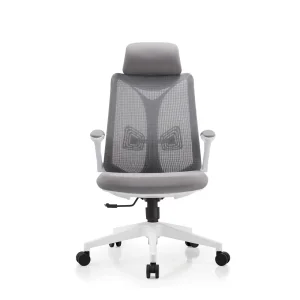
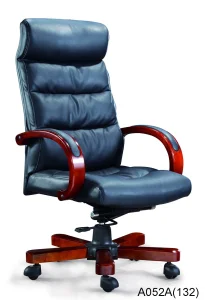
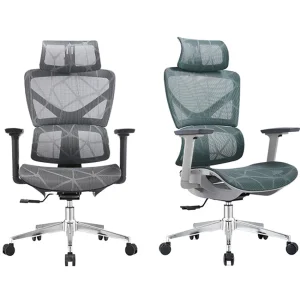
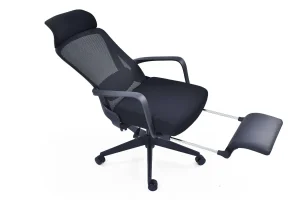
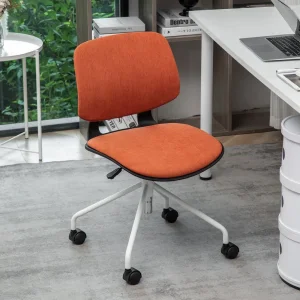
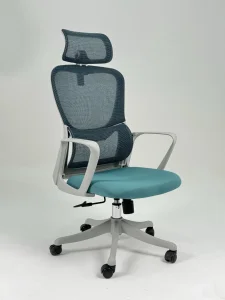
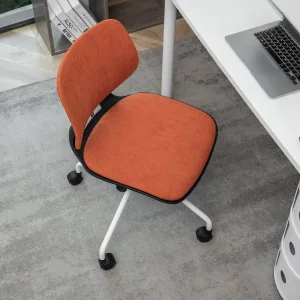
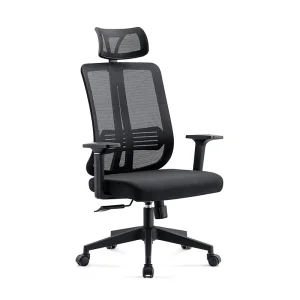
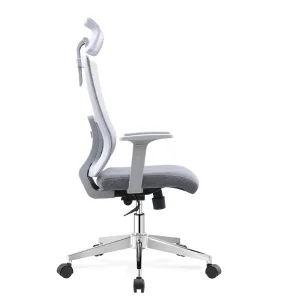
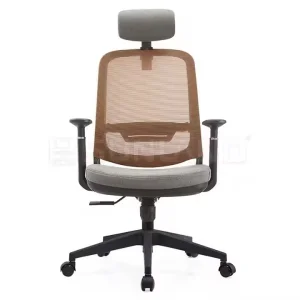
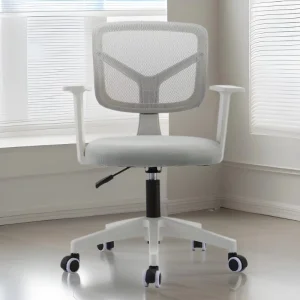
Explore the health-conscious chair portfolio →Health-conscious chairs are no longer a wellness accessory. For global procurement teams, they are a productivity, retention and facility-management asset. The models below illustrate how a China wholesale manufacturer can align ergonomic adjustability, breathable materials, executive aesthetics and scalable supply for offices, control rooms, healthcare support areas, education projects and mixed-use commercial spaces.
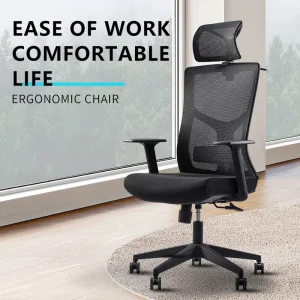
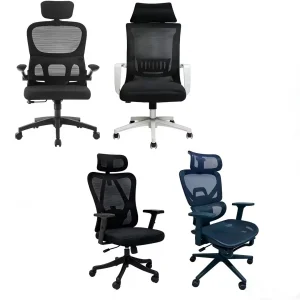
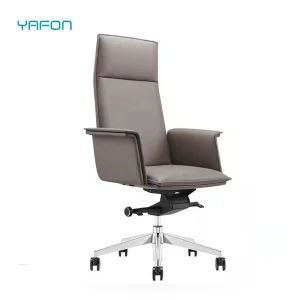
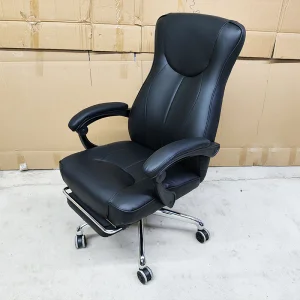
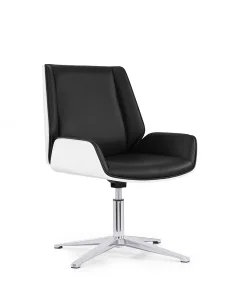
For B2B buyers, each model should be evaluated against target-market requirements, user population ergonomics, packaging durability, spare-part strategy and required test documentation rather than visual appearance alone.
About Us
Guangdong WorkX Chair Co., Ltd. is recognized as one of the leading suppliers of office furniture chairs in China and Southeast Asia. With an expanding international presence, the company operates with a strategic focus on high-quality manufacturing and exceptional customer service.
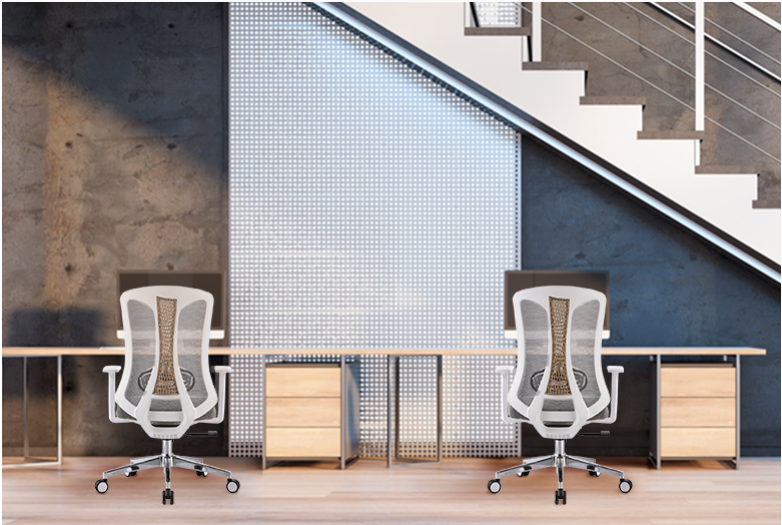
For global procurement teams, the difference between a transactional China wholesale supplier and a reliable health-conscious chair manufacturer appears in documentation discipline, sample consistency, structural testing readiness, packaging engineering and after-sales responsiveness. WorkX positions its manufacturing, QC and export-consulting scope around those procurement realities, helping buyers move from initial specification to repeatable bulk supply with fewer surprises in quality, logistics and compliance review.
This white paper adds an information-gain layer for enterprise buyers: a practical demand outlook, an RFQ scorecard, a technology roadmap, region-by-region procurement notes, localization and compliance workflow guidance, and a FAQ section that addresses the questions most often raised during supplier qualification.
To be a global leader in the office furniture industry by providing superior products and services that build long-term relationships, enhance customer satisfaction, and drive profitability.
To exceed customer expectations through quality, innovative, and functional office furniture solutions, creating environments that foster productivity, well-being, and success for businesses worldwide.
Our mission is to build lasting relationships with customers and clients by providing innovative and high-quality office furniture solutions. We achieve this through a relentless commitment to customer service, advanced technology, and sustainable business practices.
We treat our customers with the utmost respect, understanding their unique needs and providing tailored solutions.
We foster creativity and innovation to continuously improve our products and services.
We uphold the highest standards of honesty and integrity, ensuring that our business practices reflect these values in all our operations.
We prioritize environmentally friendly materials and manufacturing processes to contribute positively to the planet.
We aim to strengthen our presence across the Southeast Asia region and expand our customer base by developing strategic partnerships with key distributors in each country.
We are committed to increasing the company’s assets and investments to support the development of services, ensuring long-term growth and sustainability.
Our goal is to build a trusted reputation in the office furniture industry, particularly in import and export, and to become a major player in the market. Through innovation and excellence, we aspire to be the go-to supplier for office furniture solutions worldwide.
Guangdong WorkX Chair Co., Ltd. specializes in the design, production, and distribution of high-quality office chairs and furniture. In addition to manufacturing, the company also offers quality control (QC) and quality assurance (QA) services to ensure the durability and comfort of every product. Our import and export consulting services help clients navigate global markets with ease, providing expert advice on logistics, compliance, and product delivery.
In a health-conscious chair program, QC and QA should not be treated as a final inspection only. A credible workflow links incoming material checks, mesh and foam consistency, mechanism durability, gas-lift verification, base strength, sewing quality, assembly tolerances, carton drop performance and pre-shipment inspection. For enterprise buyers, this is the practical foundation of E-E-A-T in furniture sourcing: documented experience, demonstrated expertise, manufacturer authority and reliable delivery evidence.
Recommended RFQ weighting for lumbar support, seat-depth control, armrest movement, headrest range and task-to-executive fit.
Mesh tensile behavior, foam density stability, textile abrasion, mechanism life and castor performance under real facility use.
Test reports, material declarations, destination-market labeling, packaging marks and traceability evidence.
Landed cost, replacement rate, spare-part availability, repairability, installation speed and after-sales response.
These percentages are recommended RFQ scorecard starting points for procurement planning, not market-research statistics. Buyers should adjust weights by office type, climate, user population and local regulatory requirements.
Global demand for health-conscious chairs is being shaped by four converging forces: hybrid-work occupancy patterns, rising awareness of musculoskeletal risk, stricter environmental and indoor-air-quality expectations, and the need to standardize furniture across multi-country offices. Procurement teams are shifting from unit-price purchasing toward seating as productivity infrastructure. A chair that supports lumbar alignment, breathable microclimate control, adjustable headrests, stable arm support and durable gas-lift performance can reduce complaint tickets, replacement cycles and facility-management workload.
In North America, corporate buyers often request documentation aligned with ANSI/BIFMA X5.1, contract-grade durability expectations and, where applicable, flammability or indoor-emission requirements. In Europe, EN 1335, REACH, RoHS and low-emission material discussions frequently enter the RFQ. In the Middle East and GCC, heat and dust require breathable mesh, robust castors and packaging that survives longer logistics chains. In Asia-Pacific, humidity and high-density office use emphasize mesh cleanability, rust resistance and stable mechanism performance. In Latin America and Africa, distributors often prioritize modular packaging, spare-part availability and landed-cost predictability.
For a China wholesale manufacturer, the winning response is not a generic catalogue. It is a configurable, test-aware and documentation-ready program that helps enterprise buyers compare models consistently. Health-conscious chairs should therefore be specified with measurable criteria: adjustable lumbar height, seat-depth range, back-angle recline, armrest dimensions, headrest adjustability, breathability, cleanability, replacement-part design and carton drop performance.
A single chair specification rarely fits every environment. The most effective procurement strategies map seating to task duration, user posture, cleaning routines and shared-use intensity.
Hot-desking and shared meeting rooms require rapid adjustability, clear controls and durable mesh. Mid-back and high-back mesh models with lumbar support reduce friction between users while supporting long focused work.
Extended shifts demand headrest support, recline control, breathable backrests and stable armrests. Specification should prioritize mechanism reliability and easy cleaning across multiple shifts.
Administrative zones, staff break rooms and clinical support offices need wipe-clean surfaces, smooth castors and upholstery choices compatible with facility cleaning protocols.
Universities and training centers benefit from armless or compact task chairs for flexible classrooms, plus adjustable ergonomic chairs for staff offices and research teams.
Executive faux leather and high-back designs combine visual authority with lumbar comfort. Buyers should balance premium appearance with cleanability and long-term replacement planning.
Technical offices adjacent to production or logistics environments often need robust task chairs, easy-clean materials and supplier support for mixed container loads and spare parts.
The next five years will reward manufacturers that can connect ergonomic design, material traceability, repairability and documentation velocity. The roadmap below is a procurement-planning view, not a guarantee of each feature on every model.
Expect wider use of zoned mesh tension, modular lumbar cassettes and headrest adjustment to serve diverse user populations without multiplying SKUs unnecessarily.
Enterprise buyers will increasingly request material declarations, recycled-content options, low-VOC foam and textile documentation linked to destination-market requirements.
Repairable castors, replaceable arm pads and accessible tilt mechanisms will reduce total cost of ownership for large installed fleets.
Optimized carton engineering, plastic reduction, modular packaging and spare-part kits will support regional warehousing and distributor service models.
Sensor-ready or maintenance-tracking concepts may enter premium projects, while most volume procurement will still prioritize proven mechanical reliability.
Manufacturers will compete on how quickly they can issue market-specific documentation, labels, test summaries and after-sales support packs.
As part of our strategic plan, Guangdong WorkX Chair Co., Ltd. aims to become the top supplier of ergonomic office chairs in the global market. We are investing in advanced production technologies and sustainable materials to ensure our products not only meet but exceed international standards. In addition to expanding our market share, we plan to further enhance our after-sales service network and explore new opportunities for partnerships and collaborations.
A China wholesale health-conscious chair program must speak to regional reality. The same model may need different documentation, packaging, upholstery choice or spare-part planning across markets.
Compliance is a shared responsibility. A manufacturer should provide clear evidence and responsive documentation; the importer or brand owner should verify that the final configuration meets destination-market rules.
Support documentation aligned with requested standards such as ANSI/BIFMA X5.1, EN 1335, ISO 9001, ISO 14001, REACH, RoHS or other buyer-specified requirements. Buyers should verify current certificates and test reports for each SKU and market.
Incoming material checks, in-process inspection, pre-shipment inspection and corrective-action follow-up help protect bulk order consistency and repeat-order quality.
Carton design, drop-performance review, labeling, container loading plans and import/export consulting reduce transit damage and improve distributor receiving efficiency.
Model configuration, labeling, spare-part planning and responsive after-sales communication help regional distributors serve local enterprise accounts with confidence.
Process transparency gives buyers a practical way to audit manufacturing maturity. The imagery below preserves the manufacturer’s workflow labels and shows where quality control can be inserted before defects reach final assembly.
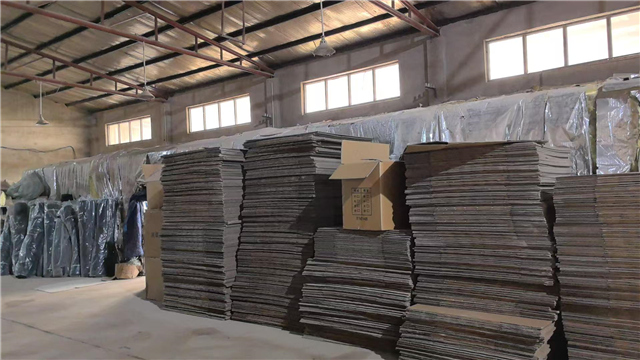 Raw Material
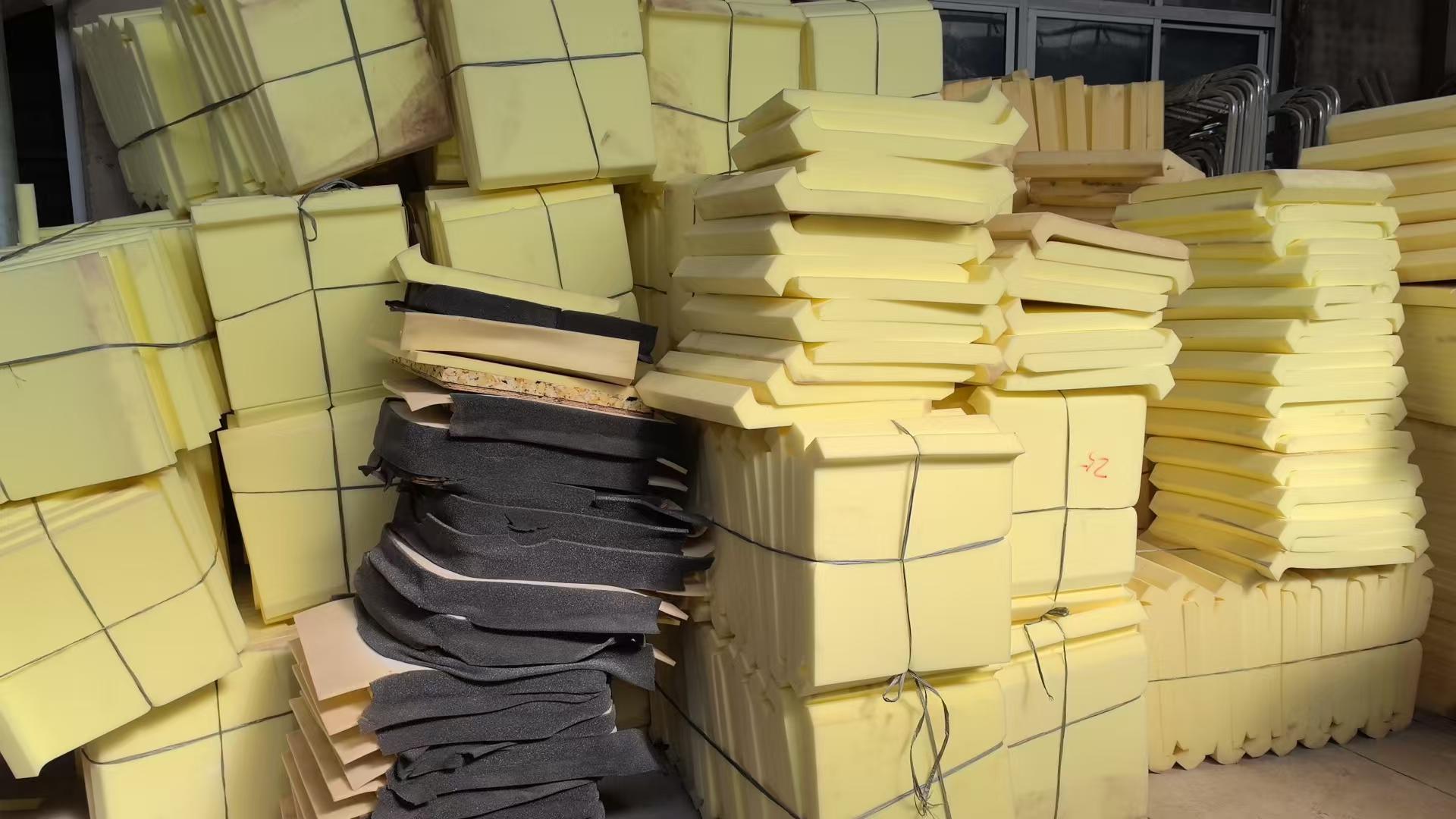 Raw Material
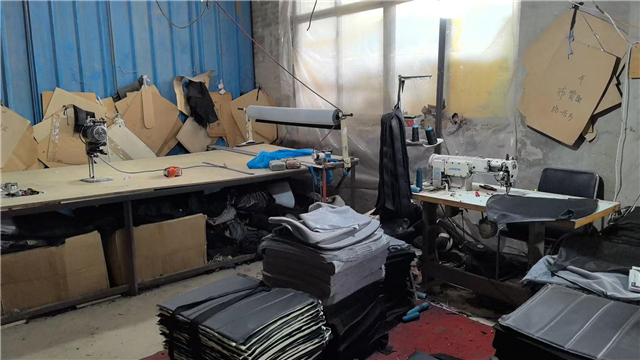 Cutting and Sewing
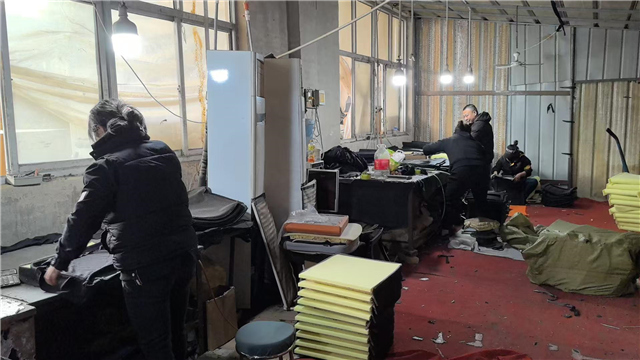 Packing
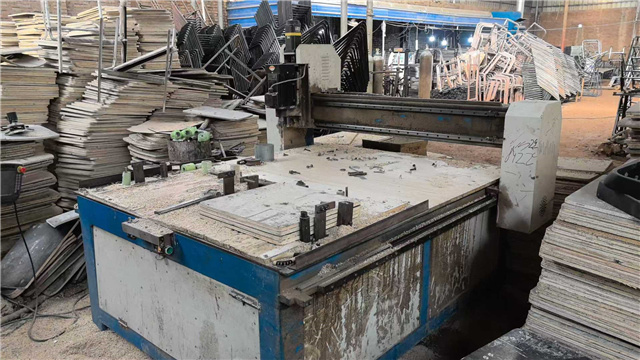 Drilling
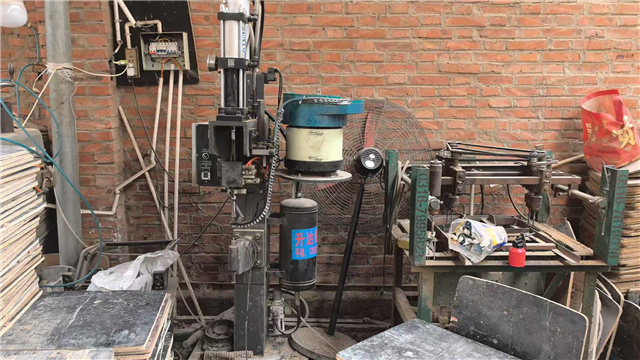 Buckle Nailing
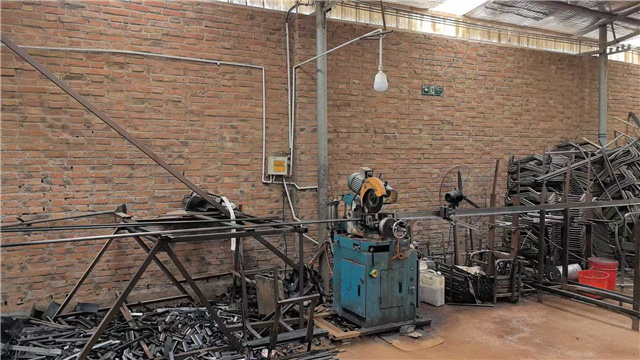 Pipe Cutting
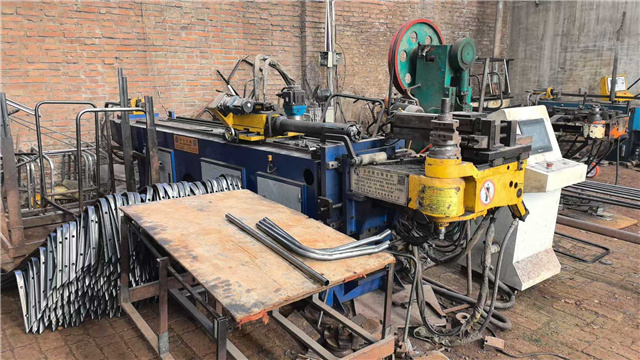 Auto-bending
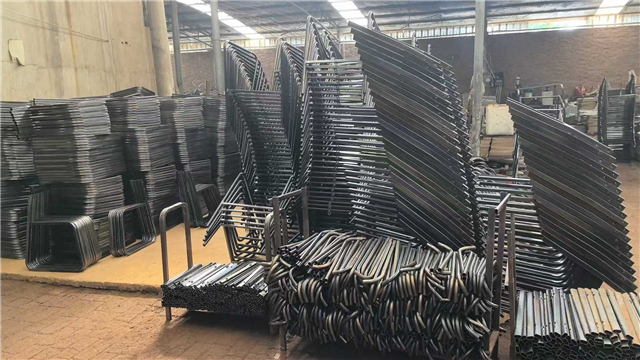 Semi-product
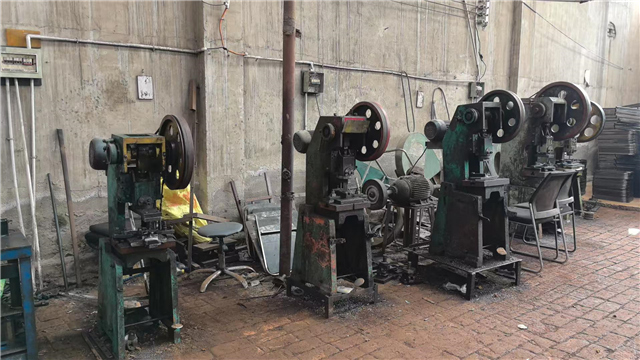 Punching
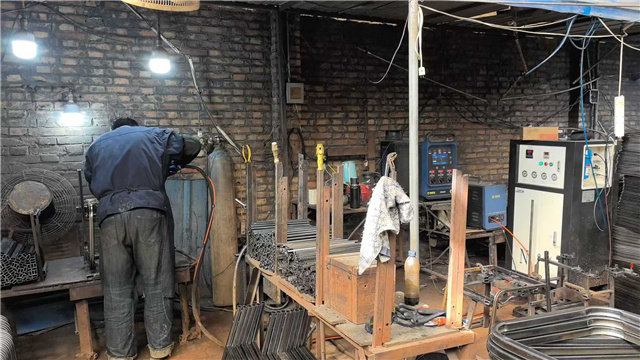 Welding
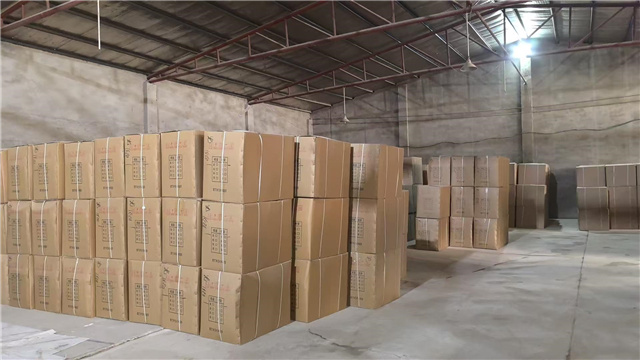 Storage
Confirm seat-height range, seat-depth adjustment, lumbar height, recline tension, armrest movement and headrest range against the actual user population, not only the average office worker.
Review mesh tension, textile abrasion, foam density, stitching, cleanability and color consistency. In hot or humid markets, breathable backrests are a practical comfort requirement.
Request evidence for gas-lift performance, base strength, castor durability, tilt mechanism life and packaging drop protection. Validate with the manufacturer’s current reports.
Align requested test reports, labels, material declarations and instructions with the destination market. Final compliance assessment remains the importer’s responsibility.
Evaluate replacement castors, arm pads, gas lifts and mesh components. A slightly higher unit price can be more economical when serviceability reduces fleet downtime.
Assess factory process transparency, sample discipline, export experience, communication speed, corrective-action behavior and after-sales planning before scaling a program.
Ergonomics focuses on postural support and adjustability. A health-conscious chair adds breathable microclimate control, easy cleanability, durable support over long shifts, repairability and documented material safety. The best specification combines user comfort with facility-management practicality.
Start with a capability audit: product range, process transparency, QC/QA workflow, sample consistency, test documentation, export experience, spare-part planning and after-sales responsiveness. Compare the manufacturer against a scored RFQ matrix rather than a single unit price.
Requirements vary by market and product configuration. Buyers may request reports aligned with ANSI/BIFMA X5.1, EN 1335, ISO 9001, ISO 14001, REACH, RoHS or other applicable standards. Always verify current certificates and test reports directly with the supplier for each SKU and destination.
Typical customization areas include mesh or upholstery color, foam specification, mechanism selection, base finish, logo application, label content and packaging. Buyers should confirm tooling, sampling, MOQ logic and approval steps before production.
Breathable mesh can improve thermal comfort in humid, hot or high-occupancy offices. It also supports easier cleaning and visual consistency in shared environments. However, mesh tension, frame strength and long-term sag resistance must be validated, not assumed.
MOQ and lead time depend on model, material, color, packaging and customization. Request a written production schedule after sample approval, and include buffers for testing, pre-shipment inspection, container loading and peak-season logistics.
A practical workflow includes incoming material inspection, in-process checks, assembly verification, functional testing and pre-shipment inspection. QA also covers documentation, packaging approval, corrective-action follow-up and repeat-order consistency.
Options include container-load optimization, modular packaging, model standardization, consolidated mixed containers and selected material rationalization. Safety-critical components such as gas lifts, bases, castors and mechanisms should not be downgraded without testing.
Useful support includes product training, specification sheets, spare-part planning, replacement-part labeling, packaging adaptation, after-sales communication and export documentation guidance. These services reduce friction between the factory, importer and local enterprise accounts.
As part of our strategic plan, Guangdong WorkX Chair Co., Ltd. aims to become the top supplier of ergonomic office chairs in the global market. We are investing in advanced production technologies and sustainable materials to ensure our products not only meet but exceed international standards. In addition to expanding our market share, we plan to further enhance our after-sales service network and explore new opportunities for partnerships and collaborations.
The competitive horizon is clear: buyers will reward manufacturers that combine ergonomic knowledge, process transparency, compliance-aware documentation, repairability and localized service. For China wholesale health-conscious chairs, the future belongs to manufacturers that can make enterprise procurement measurable, repeatable and lower-risk across global markets.
Use this white paper as a practical RFQ foundation: define ergonomic requirements, request current test documentation, validate sample consistency, model landed cost and plan spare-part support before scaling a wholesale order.
Review selected models again →The second product group covers additional task, managerial, executive, budget-friendly and high-back mesh options. These models help enterprise buyers compare specification tiers, price bands and application fit across departments and markets.